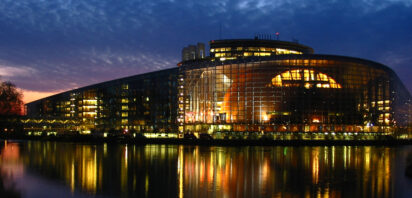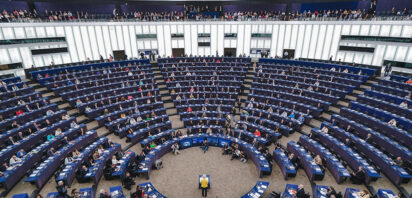
The EU Parliament results are in and, in keeping with the institution’s prosaic reputation, they are thoroughly middling: the establishment blocs bent without breaking, and the nationalists failed to bring the house down.
This is not to say that the results are inconsequential. On the contrary, they will ripple through the politics of the entire continent, making some national governments and breaking others. The legislative process in the new EU Parliament will also enter unknown territory now that the two largest establishment blocs won’t be able to band together and form a majority.
Background
Broadly speaking, the biggest winners were the Greens and the populist/nationalist bloc, though the insurgency that some were predicting failed to materialize. Long-established political groups like the EPP and S&D shed seats from their 2014 totals, but will still remain the dominant forces in the next Parliament.
Here are the provisional results (736 seats total):
- European People’s Party (EPP) – 180 seats (down 41 from 2014)
- Progressive Alliance of Socialists and Democrats (S&D) – 145 seats (down 46)
- Alliance of Liberals and Democrats for Europe (ALDE) – 109 seats (up 42)
- Greens-European Free Alliance – 69 seats (up 19)
- Europe of Conservatives and Reformists (ECR) – 59 seats (down 11)