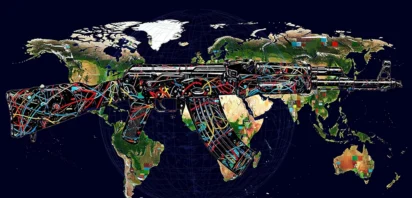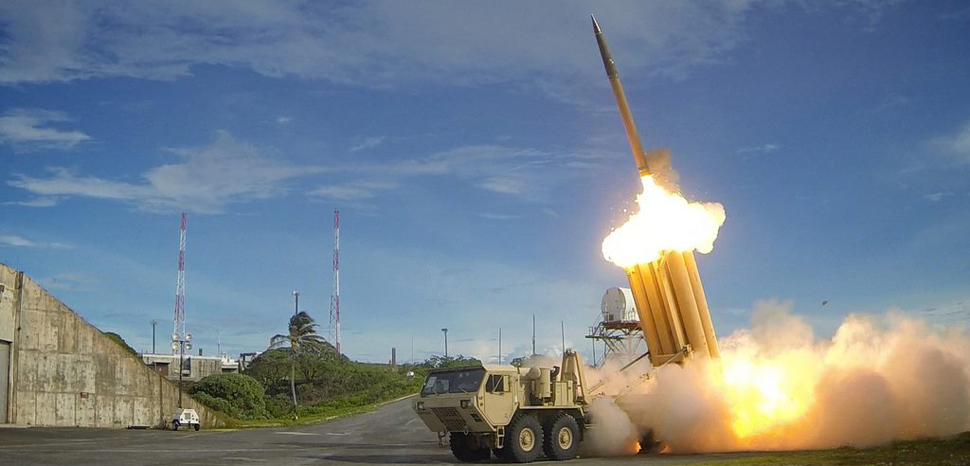
There’s an antediluvian logic behind the need for an arms industry: these weapons can protect us against our enemies, real or imagined. But there’s an economic imperative as well. The genesis of a new and globally in-demand weapon platform is a job creator throughout its development cycle, from the initial planning and technical know-how, to the weapon’s ultimate manufacture and maintenance. And unlike commercial manufacturing, the defense industry is tightly controlled by the state and non-tradable. It won’t uproot itself in search of greener regulatory pastures overseas, leaving workers and their communities in the lurch.
The economic dynamic of an arms industry doesn’t come as a surprise to anyone. Former US president Dwight D. Eisenhower famously alluded to it when he warned of a ‘military-industrial complex’ in his 1961 farewell speech. However, given recent trends in the global arms market – particularly efforts by South Korea, Japan, Turkey, and now the European Union to get into the game – it’s beginning to appear as though the demands of state-directed economics are eclipsing the conventional geopolitical calculus of national defense.
Background
Arms production can provide a valuable boost to an advanced economy. Military contractors manufacture and employ people like any other industry, and they generally keep their operations on-shore. Yet there’s no consensus on the true extent of these benefits.
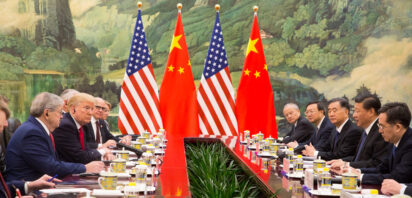
In his statement exonerating the Saudi royal family in the murder of Jamal Khashoggi, President Trump noted the “hundreds of thousands of jobs” and “tremendous economic development” that would result from $110 billion in Saudi defense purchases from US companies like Boeing, Lockheed Martin, and Raytheon. Trump’s position represents one extreme on the spectrum. Taken at face value, it suggests that arms sales are so lucrative to the US economy that they cut across any and all moral and diplomatic considerations. (Incidentally, Trump’s figures are also wild exaggerations).