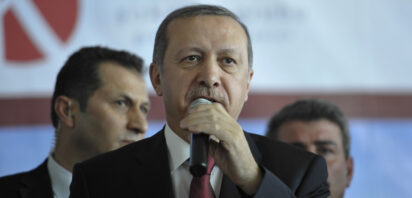
In an editorial in the New York Times last week, Turkish President Recep Tayyip Erdogan declared that the US-Turkey partnership is in jeopardy.
How right he is.
The US-Turkey spat isn’t the result of last week’s bombshell, when President Trump took to Twitter to double sanctions against Ankara. With its dogged inflation, moribund currency, and towering USD-denominated debt, the Turkish economy was already teetering at the brink; President Trump just gave it a shove. Rather, last week’s events only further cement years of drift in US-Turkey relations, and it’s becoming increasingly hard to see how these erstwhile NATO allies will be able to bridge the gap and get back to normalcy under their current leaders.
Impact
Turkey’s economy was in bad shape before Trump’s sanctions move. Even before last week, Turkey’s currency, the lira, was among the worst emerging market performers against the USD, second only to Argentina’s peso. The lira’s weakness is even more alarming given Turkey’s high levels of USD-denominated foreign debt: at 67% of its GDP, Turkey has the highest foreign debt (including corporate and government borrowing) to GDP ratio of any major emerging economy.
The lower the lira sinks against the US dollar, the harder it will be for the government to make good on these debts. Investors will also take note and shift their assets away from the Turkish lira. Unsurprisingly, this is already happening, hence President Erdogan’s plea to his citizens last week: “if there are dollars under your pillow, take theses out. If there are euros, take these out. Immediately give these to the banks and convert to Turkish lira and by doing this, we fight this war of independence.”