A civil disobedience campaign continues to gain steam in Bangladesh, drawing in new supporters and taking on new objectives in the process.
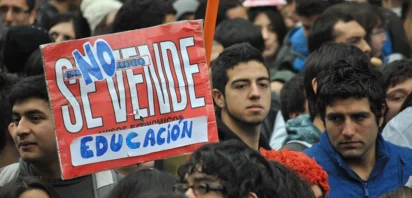
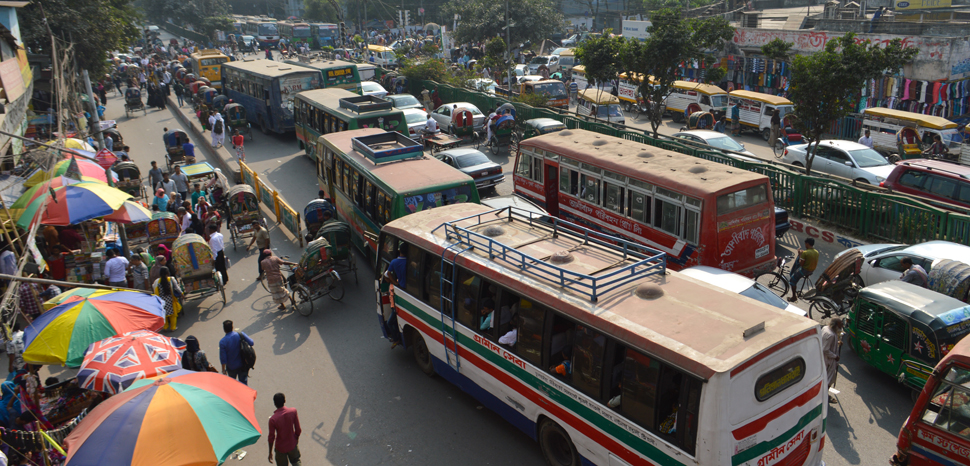
The protests originally broke out on August 1 after two teenagers were hit by a bus in Dhaka. They have mostly consisted of students in Dhaka so far, but there have been reports of similar demonstrations outside the capital city as well. A handful of other organizations have joined in solidarity with the students, including transport workers who have begun to stage limited strikes of their own. The government has been ramping up its response over the past few days: first urging the students to return to their studies, then shutting down mobile networks and internet access, and now apparently greenlighting the use of tear gas and rubber bullets in an attempt to disperse the crowds.
On August 4, there were reports of attacks on the protestors by the Chhatra League, a student group linked to the ruling party. The total number of injured in these attacks and other clashes with security forces is now thought to be over 100.
Impact
The potential for these demonstrations to bring about prolonged instability and/or political change in Bangladesh should not be discounted. History is full of examples of small protests exploding into mass movements. Consider the Arab Spring upheavals in Tunisia and Syria, which began as small gatherings in solidarity with a local vendor and economically distressed farmers respectively.
In fact, the narrow and seemingly innocuous aim of the Bangladesh protests, that they’re merely seeking to pacify the deadly roads of Dhaka, is itself the seed that could well grow into a larger movement. The limited scope provides an ostensible cover for citizens to protest other, more contentious aspects of their country’s political climate. That students are the driving force behind the protests also lends to their potential longevity. Students are often viewed as passionate and blameless, if not a little naïve, by a population that readily identifies with them through their own school-age children. The young age of the protesters makes it harder for the government to crack down on them, and any high-profile violence risks drawing in other movements acting in solidarity.