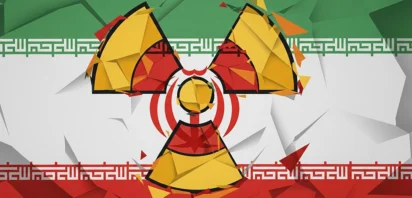
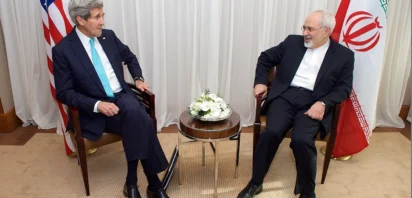
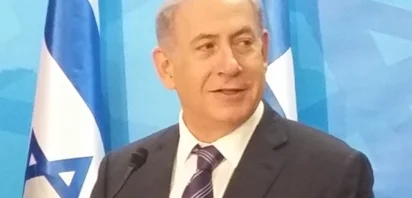
Iran nuclear talks have once again run past their deadline as negotiators attempt to hammer out some of the more intractable aspects of Iran’s nuclear program – cue the déjà vu. But unlike twice before, we’re unlikely to see another long extension this time. It’s do or die time for a deal on Iran’s nuclear program, and all signs are pointing to ‘do.’
It’s thus worth considering what a deal would mean for the Middle East and international society, because make no mistake: this will change everything.
Political
A rehabilitated Iran would reboot the US policy towards the Middle East which has been in place since the Iranian hostage crisis broke out in 1979. The fundamental shift would come from Washington being able to triangulate its engagement with the region’s two major powers – Iran and Saudi Arabia – as opposed to relying solely on Riyadh as has been the case for decades. Such a shift has potential benefits and dangers for the United States. For one, freeing itself from overreliance on Saudi Arabia is itself a potential boon given the Kingdom’s past propensity for exporting extremist Wahhabi ideology and supporting terrorist groups. It also theoretically opens the door to greater cooperation with Tehran in matters where US-Iranian interests converge (stabilizing Iraq would be one key example and, eventually, Syria may come to be another). The potential danger for US policymakers is that, though this all may work in theory, attempting to rehabilitate Iran risks alienating a longtime ally (however imperfect) in Riyadh while offering no guarantees of success with Tehran.