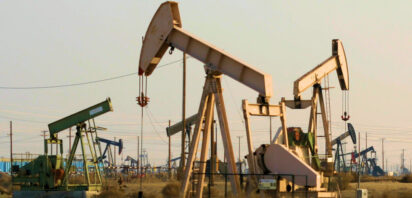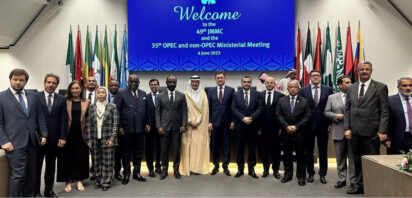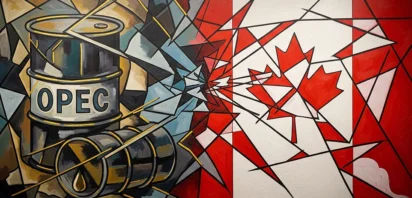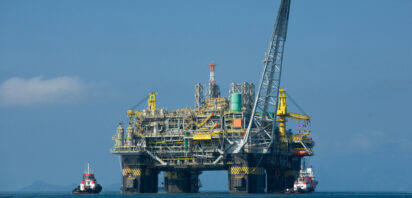
One of the biggest economic surprises of the year has been a precipitous drop in global oil prices. After spending most of the summer above $100, crude has plummeted to the low $70s, and today’s OPEC meeting could send it down even further, as West Texas Intermediate is currently flirting with the $60s.
So swift and steep of a drop will inevitably ripple through the global economy. For one, lower energy costs pull prices down, which is why the alarm bells of inflation risk from quantitative easing have now been replaced with deflation risks from a downward consumer spending spiral – a ‘Japan syndrome’ for the world.
More important for the members of OPEC, however, is the impact on the respective economies of oil-producing states. And in this one must keep in mind that not all OPEC members are created equal. Some members like Saudi Arabia have reserves that are easily accessible and thus have higher profit margins on a per-barrel basis. Others rely on capital-intensive means of extraction and have much narrower margins. Some have large foreign currency reserves and diversified economies, others don’t; some are drowning in debt; and others can weather the storm of low prices for years to come if need be.
In other words some OPEC members are in more economic pain than others, and for them the decision of today’s meeting to hold output unchanged must have been bitterly disappointing. These states include Venezuela, Iraq, Ecuador, and Iran – all of whom are currently suffering from depressed global prices.
The decision against reducing output may seem counter-intuitive. If there’s too much global supply, than wouldn’t an output cut be the obvious way forward? In reality the situation is more complicated than that, and it’s here where the matter of the OPEC meeting gets interesting.