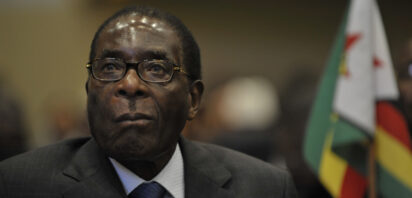
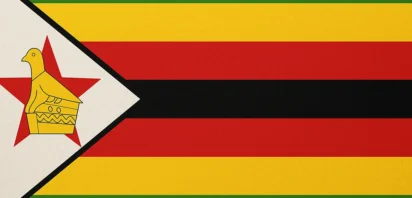
Further instability and mass emigration under President Robert Mugabe is a threat to both Zimbabwe and the region as neighboring countries face a refugee crisis.
Opposition and international pressure on Mugabe’s government and the crackdown on dissenters in response have raised the stakes in the battle for the future of Zimbabwe. Increased violence, political repression and emigration are anticipated.
Analysis
History
The recent death of Ian Smith stirred few hearts in Zimbabwe, where many see the existing violent political condition as a failure of his past regime. Smith declared independence for the British colony in 1965 but drew infamy for introducing race-based land reform policies. In the words of Smith, “I don’t believe in black majority rule over Rhodesia… not in a thousand years.” Minority white rule resulted in Zimbabwean nationalist leaders waging armed struggle against the Smith regime, leaving over 30 000 dead, mostly black Zimbabweans.
Facing national threats and international pressure, Robert Mugabe took power in 1980 with his militant faction of ZANU PF and inherited a relatively strong economy – the Zimbabwean dollar was even stronger than the British pound.
Many argue, however, that Mugabe’s repressive and mismanaged regime has had worse consequences than Smith’s ‘white utopian’ Rhodesia. The seizure of white-owned commercial farms in 2000 did not benefit landless blacks but rather induced a collapse of the agriculture-based economy. Food shortages and hyperinflation is chronic and most Western aid and regional investment has pulled out of Zimbabwe in protest of the land seizures.
Politics
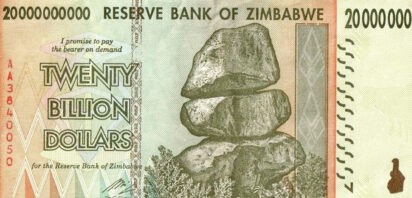
Amid skyrocketing unemployment, forced evictions and housing demolitions, inflation rates of nearly 8000% (the highest in the world), central bank chief Gideon Gono recently ruled out any monetary intervention, while ZANU PF has allocated Z$4.4 trillion (US$367 million) to the printing of election campaign material for Mugabe.
Apartheid South Africa has always maintained a strategic interest in Zimbabwe. Their current president, Thabo Mbeki, endorses the opposition party MDC (Movement for Democratic Change) in efforts to relieve the political and economic crisis in Zimbabwe. South Africa seeks to avoid a massive influx of refugees in the event of regional political strife. Botswana has already built electric fences and South Africa has placed military personnel along the border to stem the flow of thousands of Zimbabweans fleeing to find work and escape persecution.