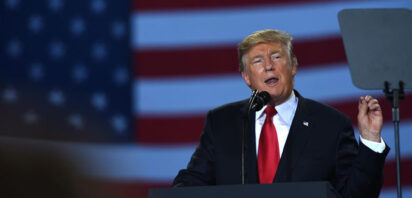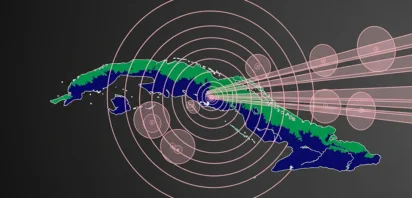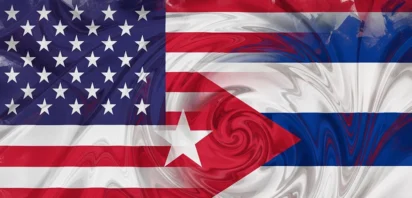
Cuba has become a central focus of US strategic pressure following the capture of Venezuelan President Nicolás Maduro, signaling a broader shift toward “regime management” rather than immediate regime change. The US is now applying economic pressure – namely through an oil blockade – to force political and economic concessions from Cuba, while also taking measures to prevent a total collapse. However, Cuba is not Venezuela, and there are social and political factors mitigating against any easy repeat of the Maduro operation.
Cuba Teeters on Collapse
Havana faces its worst crisis in years, as the US fuel blockade intensifies long-standing strains on the Cuban economy. The nation has been crippled by decades of inadequate investment, infrastructure decay, rampant inflation, chronic mismanagement, and US sanctions. Now with the cut-off of Venezuelan oil, Cuba is facing extreme energy deficiencies and growing internal pressures, notably in severe shortages of fuel, clean water, food, medicine, and frequent blackouts. Venezuelan oil had supplied roughly 50 percent or more of Cuba’s needs and was critical to the functioning of the electrical grid. Additionally, the embargo has also devastated the tourism sector, a vital source of foreign currency for the regime.
International condemnation of the US blockade on Cuba is growing, with multiple nations expressing concerns regarding the humanitarian conditions and the risk of broader regional instability. Several countries, including Mexico, Spain, and Brazil, have offered aid and called for dialogue to alleviate the situation. In January, China announced a financial aid package valued at around $80 million. In March, the Trump administration even permitted a Russian tanker to supply oil to Cuba as a short-term humanitarian measure aimed at easing the island’s severe energy shortage, however, the US indicated that any future deliveries would be reviewed and approved on a case-by-case basis. These measures only offer a temporary lifeline rather than a long-term solution to the deepening economic crisis.