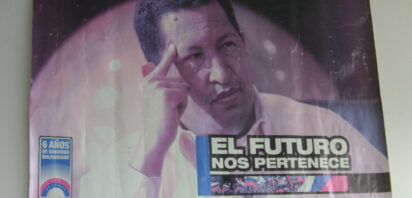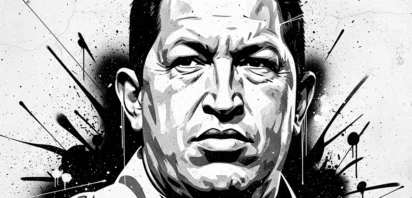
For fourteen years political affairs in Venezuela were dominated by one man, the fiery left-wing populist Hugo Chávez. His death in 2013 was mourned by millions of Venezuelans but his successor President Nicolás Maduro has inherited none of his luck, charisma, or popularity. Instead Venezuela has lurched deeper into social crisis as shortages, inflation, and an oil slump hammer the economy. President Maduro has recently returned from touring the world in search of financing, ominously coming back virtually empty-handed from China. The economic signs are clear that the commodities-fueled wave of left-wing spending in Latin America has hit its high water-mark.
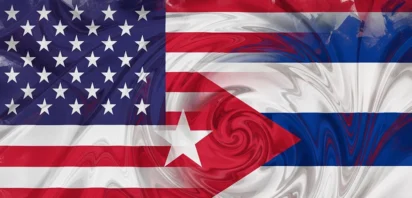
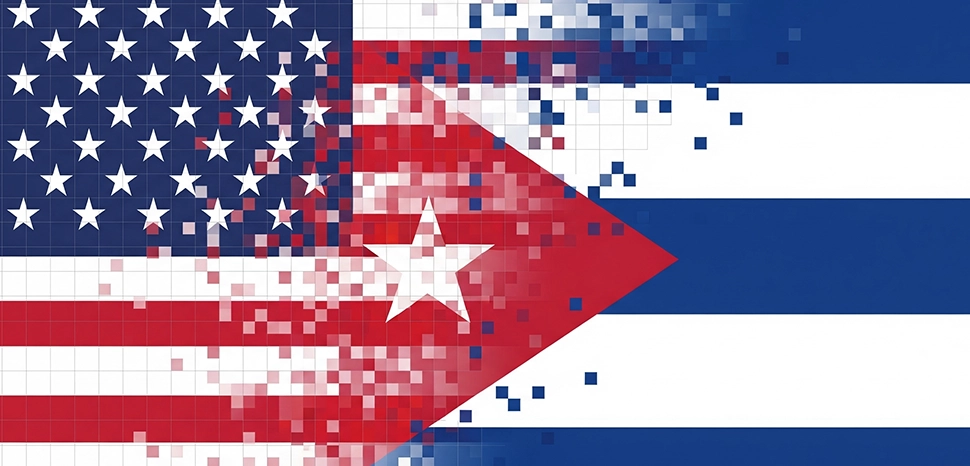
The shock restoration of diplomatic relations between the United States and Cuba will therefore come at an interesting moment for the Venezuelan government, the communist state’s closest ally in the region. Chávez himself railed against the US ’empire,’ going so far as to call then-President Bush ‘the Devil’ at a 2006 UN speech. Unlike the Castro regime though, he put his brand of anti-American populism to repeated electoral test and won. With the economy in the doldrums and the opposition in the streets however, there are now signs that the Venezuelan electorate is running out of patience with his successor’s constant refrain of US-orchestrated economic warfare as an excuse for the government’s disastrous handling of the national economy.
Under the changes announced by President Obama, the US has not ended its fifty year economic blockade of Cuba. But it will be easier to transact with Cuban nationals and businesses, including Cuban financial institutions. For the first time in generations, some US banks will be able to open accredited accounts in Cuban institutions.
The Venezuelan government may be about to lose a favorite point of comparison in its portrayal of an American economic plot to bring it down. But the US-Cuban rapprochement, which normalizes relations without the two governments embracing each other, also offers Venezuela a partial way out of its own political morass.