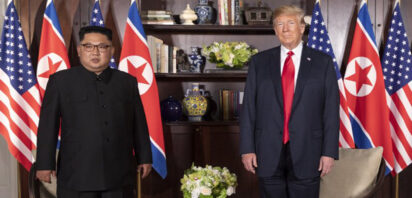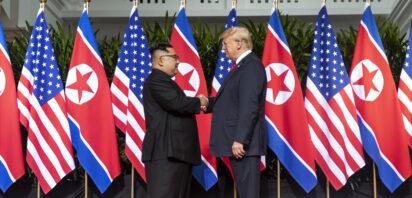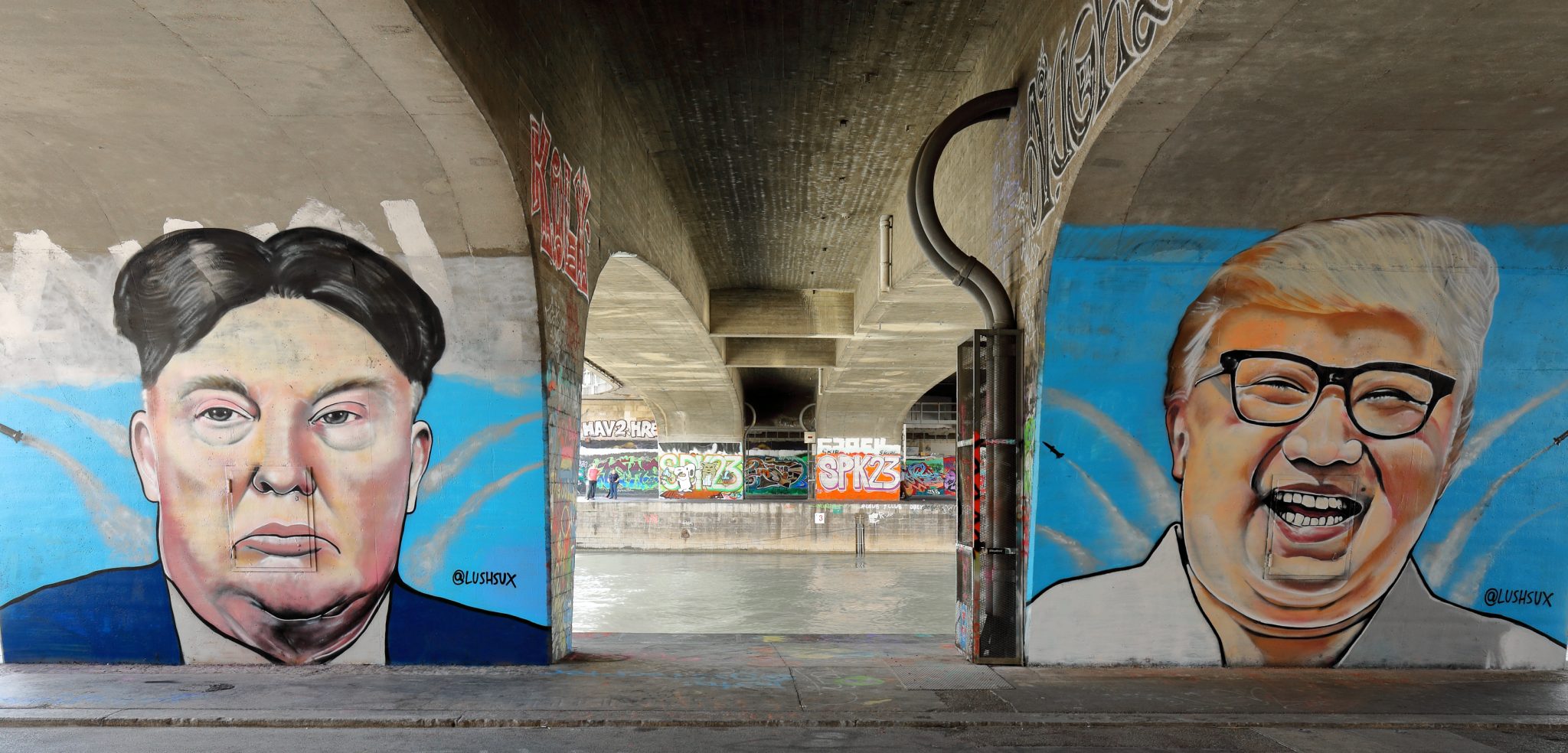
Following an uptick in public belligerence from the North Korean side, President Trump decided that it was more of a political risk to go ahead with the June 12 summit than to cancel it. Still, in his letter explaining his decision, President Trump left the door wide open for another attempt at summit diplomacy in the future: “I was very much looking forward to being there with you… someday, I look very much to meeting you… if you change your mind having to do with this most important summit, please do not hesitate to call me or write.”
The breakdown of the summit was preordained, the expected result of bluster, unpredictability, wildly divergent expectations of what a final deal should look like, and the fact that, as a piece of political theater the summit was always much more valuable to the North Koreans (which helps to explain why it has not been attempted by any other president).
Yet none of this necessarily means that the idea of a Trump-Kim summit is consigned to historical oblivion. Given its political importance to Kim Jong-un, Moon Jae-in, and President Trump, it stands to reason that the summit will get back on track sometime in the near future.
Impact
Kim Jong-un overplays his hand. The Trump-Kim summit was always far more important to North Korea than it was the United States. A meeting with a sitting US president would go far in legitimizing the North Korean regime in the eyes of domestic and foreign audiences, reversing a longstanding policy of Western isolation. It would also achieve this without any painful concessions from the North; the optics would be frontloaded, and any deal – or the breakdown of any deal – would come far off in the future, after the North had been validated as a legitimate and important global player. It’s for this reason that, according to conventional wisdom, top-level visits were a carrot to be rewarded after the North complied with the word of a deal. Pyongyang has been trying to secure a presidential visit for a long time, with Kim Jong-Il extending invitations to presidents Carter and Clinton. The strategy had always come up short until now.