
Artificial Intelligence (Ai) News & Analysis
Dawn of AI Geopolitics: Regulation, Norms, and Power Beyond Hardware
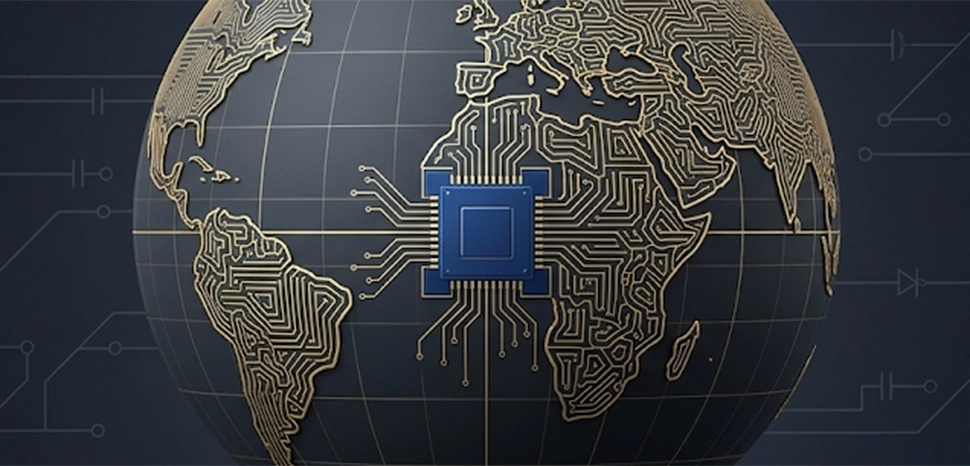
States are over-securitizing inputs and under-governing outputs, leaving the most consequential domains of AI power largely unregulated and open to capture.
Copper Squeeze Threatens US AI Buildout
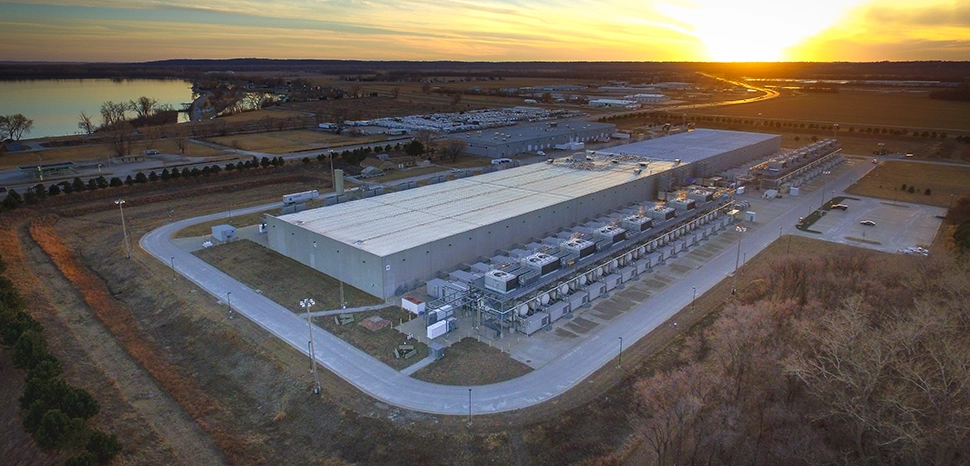
Copper is a key input for the data centers fueling the AI boom, and copper supply chains are riddled with geopolitical and capital risks. Strong investment will be needed to get ahead of the coming copper squeeze, and the clock is already ticking.
Anthropic’s Fable Debacle and the Perils of Dual-use AI Technologies

The debacle surrounding the launch of Fable by Anthropic is only the tip of the iceberg of dual-use AI. If effective safeguards are not established, the AI arms race ensures that dangerous models will fall into the hands of bad actors.
Lessons Forgotten: Critical Minerals and Partisan Ideology in the U.S.

Administrations from both sides of the aisle have left US critical minerals supply chains highly vulnerable amid a return to great power politics. But stockpiling initiatives like ‘Project Vault’ suggest that Washington is beginning to remember the old truism that economics and geopolitics are inseparable.
AI with Chinese Characteristics

What does victory for Beijing in the US-China AI competition look like? Tighter control for the CCP at home and elevated criminal, military, censorship, and data security risks abroad.
US Export Controls and China’s ‘Good Enough’ AI Stack

It’s true that export controls have curbed the development of China’s domestic AI stack. But they have conversely also made it a rational inevitability, which is already evident in China’s ‘good enough’ AI stack.
Grok Shows the World What Ungoverned AI Looks Like

A recent landmark report is sounding the alarm on the risks of unregulated AI advancement. Will governments listen?
East Asia Semiconductors Will Decide the Next US-China Arms Race

AI-powered military technologies can tilt the balance of power in the US-China rivalry. In this fight, victory is measured in access and supply chain resilience, and no region is more important than East Asia.
Era of Strongman Diplomacy: Lam’s Ascent Reshapes US–Vietnam Ties

In an era of strongman diplomacy, To Lam’s Vietnam is not tilting toward Washington or Beijing. It is positioning itself to bargain with both — from a position of consolidated strength.
A Moment of Truth for European Digital Sovereignty

Time will tell whether recent developments in Europe represent a concrete step toward confronting the United States in the digital realm, or a bleak move towards dependence.
The Global AI Rules Race: China’s Strategic Response to US Tech Dominance

The battle over governance, in terms of who sets the rules, norms, and standards, could prove decisive in shaping not just the future of AI, but the global balance of power.
Fragmenting the Internet: The Geopolitics of Data Sovereignty

Strategic data sovereignty regulations are fragmenting the global digital ecosystem, producing real consequences for the future of international trade, particularly in geopolitically sensitive industries like AI and other emerging technologies.
After the Swahili AI Race: Africa’s Fight for Language Infrastructure Control

As Swahili becomes a lingua franca for the age of AI, African states must ask: are we digital users, or digital custodians?
Converging Revolutions: How Drones and AI Drive the Future of Warfare

The paradigm shift of drone and AI warfare represents a new revolution in military affairs. But this time the United States may be left behind.
Artificial Empires: The Race for Swahili AI in East Africa

The rise of external AI giants underscores the urgency of developing homegrown language models that reflect Africa’s linguistic plurality - not just as a matter of equity, but of epistemic sovereignty.
The Global AI Race: The Geopolitics of DeepSeek

The advent of DeepSeek has upended the global AI hierarchy, with the potential consequence of further digital fragmentation between East and West.
Can Technology Solve the JSDF’s Manpower Shortages?
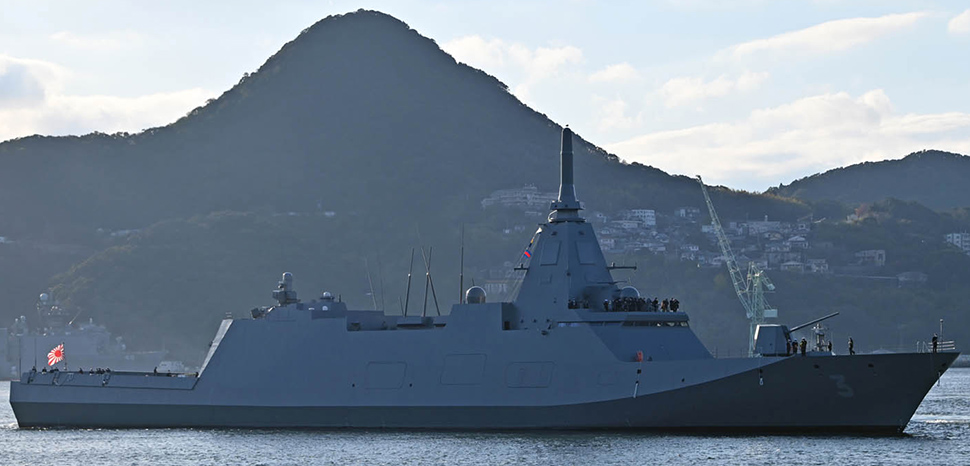
The newly launched Mogami-class frigate’s smaller crew and advanced technological suite is just the beginning, as Tokyo looks to emerging technologies like AI to reduce the manpower footprint of the JSDF.
The Risk to America’s AI Dominance is Algorithmic Stagnation
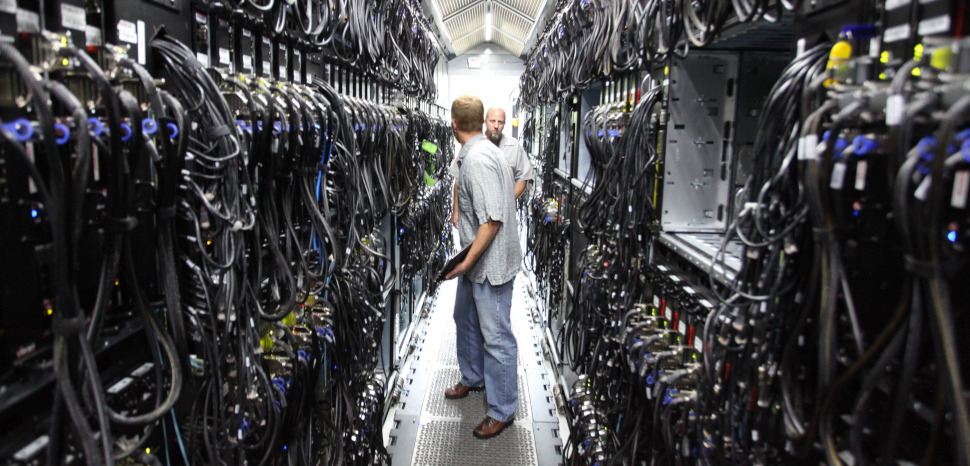
To retain the competitive edge it currently enjoys, the United States must take active steps to create and harness the next wave of artificial intelligence.
Lethal Autonomous Weapon Systems: A Gamechanger Demanding Regulation

The risks surrounding Lethal Autonomous Weapons Systems (LAWS) demand swift and comprehensive regulation.
Backgrounder: The EU’s Artificial Intelligence Act

The EU has taken the global lead on AI regulation with the Artificial Intelligence Act. And if past is precedent, the Act will likely reverberate far beyond Europe’s borders.