There are plenty of positive signs on both the military and political front indicating that Somalia is about to turn a corner after two decades of instability and conflict. But despite recent positivity, the state’s long-term success will ultimately be decided by the new government in Mogadishu.
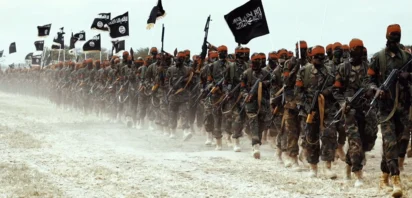
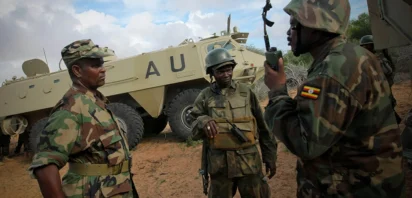
The successful capture of Kismayo by African Union (AU) and Somali troops this week is a very big deal. The city was not only one of al-Shabab’s last urban strongholds, but its last major source of income as well, as the port in Kismayo has been known to generate considerable revenue for the group from charcoal exports. This week’s events cap off a long running political drama that once cast al-Shabab as a group that controlled much of Somalia throughout 2009 and 2010, such that at one point it was even pounding down the walls that protected a small, besieged AU force guarding the transitional government in Mogadishu. Fast forward two years and the once-mighty extremist group is now in open rout across the country.
Yet the explosion that rocked Kismayo on Tuesday serves as a grim reminder that although al-Shabab may be down, it’s certainly not out. That the group pulled out of Kismayo without a fight suggests that they have learned from some of the bloodier fights for Mogadishu and are serious about rebranding themselves as a guerilla outfit. The bulk of al-Shabab fighters seem to be moving northward towards the mountains of Sanaag, bordering Puntland and Somaliland, with others fleeing towards the thick, inaccessible jungles along the Kenyan border. Though these new territorial bases are more far-flung than before, it’s likely that al-Shabab will maintain a capacity to launch suicide bombings and other asymmetric attacks on government troops stationed in cities throughout Somalia.