The Middle East had a difficult 2014, from the seven-day war between Gaza and Israel, rising tensions between major powers and Qatar, and the ascension of the Islamic State of Iraq and the Levant (ISIS), a Sunni militant group that overran one-third of the territory of Iraq and Syria in mere months.
2015 will undoubtedly see more ISIS attacks across the board, as well as a refugee crisis in Lebanon and Turkey. Turkey will also face an escalation in demonstrations against newly-minted President Recep Tayip Erdogan, while Yemen will have to grapple with the splintering of state authority and widespread violence throughout the country. Saudi Arabia will also have a year of challenges ahead, including a dynastic succession, monumental economic shifts, and internal pressures from a women’s movement that is unlikely to disappear anytime soon.
Outlook
Saudi Arabia
Saudi Arabia’s King Abdullah issued a statement earlier this week stating that the country would not be disrupted by the fall of oil prices, which this week tumbled below $50 a barrel.
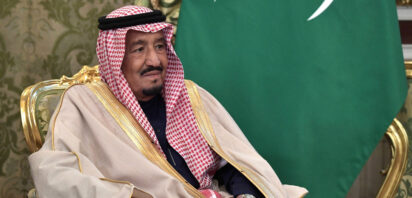
The Kingdom will continue to experience “safety and stability,” King Abdullah said in a statement read by Crown Prince Salman Bin Abdelaziz, due to the king being in hospital for treatment of pneumonia.
The statement touches on two issues with which Saudi Arabia will have to grapple in the coming year: a succession and persistently low oil prices.
The 91-year-old monarch has designated Crown Prince Salman Bin Abdelaziz to be his successor, but the 79-year-old prince has had his own share of health issues. Acknowledging this, King Abdullah designated 69-year-old Prince Muqrin bin Abdulaziz, his youngest brother, as deputy crown prince, to ensure a smooth transition of power should Crown Prince Salman bin Abdelaziz be unable to rule.