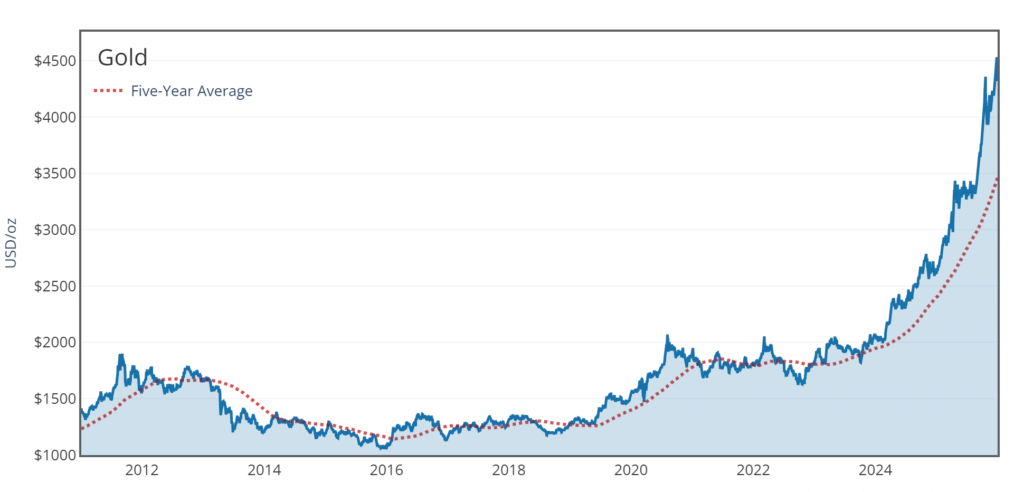
Gold prices are up by 84% over the year as global investors flock to safe havens. The precious metal’s rapid appreciation is not just a macroeconomic datapoint; it’s also a decisive factor in global conflict. The ease with which gold can be mined, melted down, and laundered of its origin make it an ideal revenue stream for militant and terrorist groups, such that control over artisanal goldmines can make or break a civil war. The conflict between M23 rebels and the Congolese government in the Democratic Republic of Congo is one of many examples.
Current Outlook
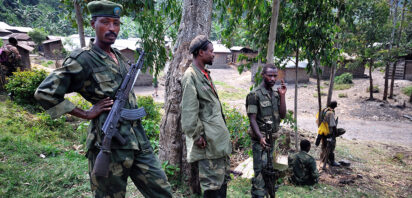
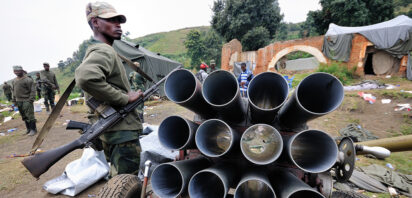
The M23 rebels are a primarily Tutsi militant group that enjoys strong backing from the Kagame administration in Rwanda. Ever since defecting from the DRC military in 2012, the group has been waging a war against DRC armed forces and allied Wazalendo (‘patriot’) militias in North and South Kivu provinces. Early in 2025, the M23 scored a major victory by conquering Goma and Bukavu, the capitals of North and South Kivu respectively. The group continues to hold and administer both cities. More recently, M23 rebels have been sweeping through South Kivu despite a US-brokered peace agreement signed in December (the M23 was not party to the agreement). South Kivu is a mineral-rich region and the gold mining areas of Fizi have figured prominently in recent fighting. The M23 captured the strategic city of Uvira in December, only to withdraw last week in an apparent goodwill gesture. The timing of the pullout was telling, coming amid threats of new US sanctions against Rwanda, M23’s main backer. Overall, the rebels are advancing on multiple fronts ahead of an expected relaunch of Kinshasa-M23 peace talks in Qatar.
A Lucrative Prize
The gold wealth of North and South Kivu generates significant revenue for whoever controls it, whether state or militia, though the windfall never filters down to the grassroots level. This was true back in 2021 when the precious metal was just over $1,200 per ounce, and it’s undeniable now as prices soar past the $5,000 mark.
The key question is: Where do these revenues from illicit conflict gold end up? From mine to market, they can line many pockets. For both state and paramilitary outfits, gold revenues can be used to pay soldier salaries and purchase weapons, translating directly into battlefield strength. They can make well-connected elites rich, as outlined in an exhaustive Global Initiative report on the rise and fall of Primara Gold, a doomed joint venture between the DRC state and a UAE company. They can also fill state coffers in Rwanda (exporting) and the UAE (refining, re-exporting), and at every step they consolidate transnational crime networks and help them dodge institutional and due diligence safeguards meant to ensure that conflict gold never makes it to market. The takeaway is that there are major vested interests along the entire supply chain for illicit conflict gold, and all of these interests are cemented by the financial incentive of rising prices.