One seemingly innocuous speaking engagement was all it took to shatter the delicate equilibrium that has prevailed in Georgia since its disastrous, 5-day war with Russia in 2008.
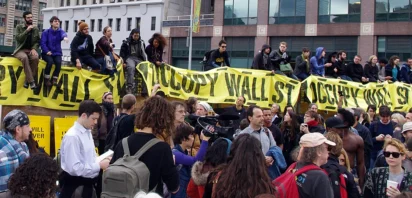
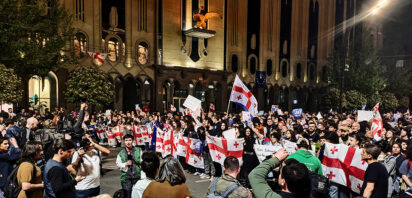
It involved an address by Russian MP Sergei Gavrilov to other lawmakers from Orthodox countries. The optics of Gavrilov, who is not only Russian but has also publically advocated for the independence of Georgia’s breakaway republics, occupying the speaker of the house’s seat proved too much for the opposition to bear. Around 10,000 protestors descended on the legislature, eventually storming the building and prompting a violent response by police. When the dust had finally settled, 103 were hospitalized and 300 arrested.
The incident serves to highlight both the limits of the government’s tentative reset with Russia, and the ever-present threat of resumed hostilities between Moscow and Tbilisi.
Background
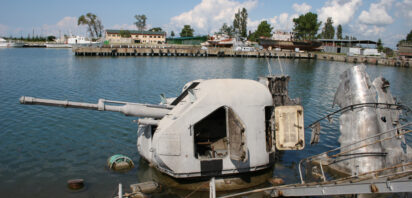
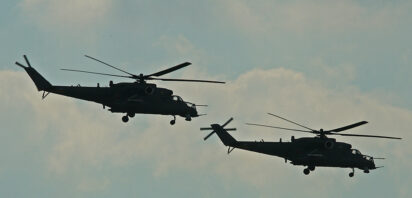
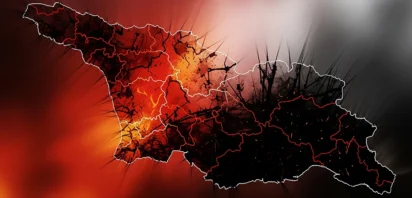
Years before the foreign interventions in Syria and Ukraine, it was the 2008 Georgia war that heralded the assertive turn in Russia’s post-Soviet foreign policy. The war – if it can be called that – lasted only five days. It ended in decisive defeat for Georgia and the two separatist republics that Tbilisi had intervened in, South Ossetia and Abkhazia, remain de facto independent to this day under Russian occupation. Together, they represent around 20% of Georgia’s total territory.
The Russian invasion came months after the 2008 Bucharest summit, where NATO infamously pledged that Georgia and Ukraine would eventually be granted membership to the alliance.
Herein lies the eternal push-and-pull of Georgian geopolitics, one that forces successive governments to strike a balance between realizing popular demands to integrate Georgia into Western institutions like NATO, and managing relations with a bellicose military power next door.
As for the people’s choice, there’s little in way of ambiguity: some 78% of Georgians want to join NATO, and 83% want to join the European Union. Such steep majorities are hard for any sitting leader to ignore; however, as the events of 2008 so tragically demonstrated, reciprocating the embrace of the West is easier said than done.