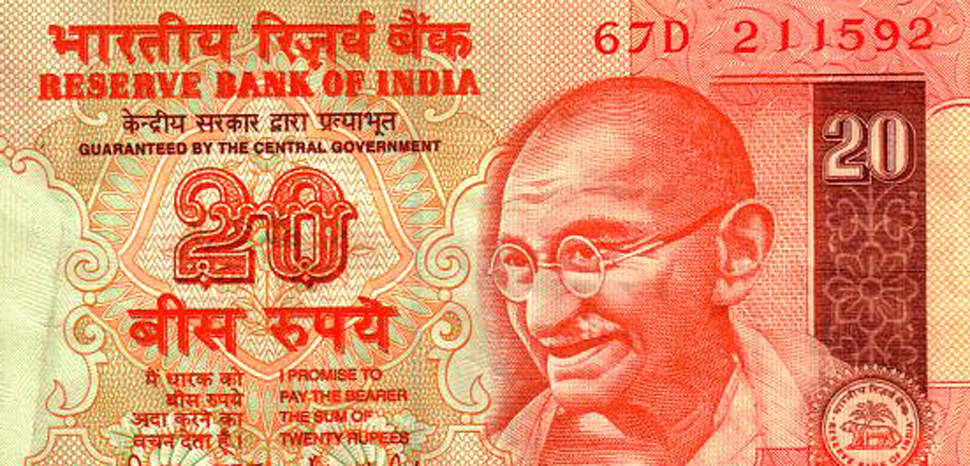
A clash is playing out at the highest levels of Indian monetary policy involving the Modi administration and Urjit Patel, governor of the Reserve Bank of India (RBI).
According to the Financial Times, PM Modi’s ask of the RBI is a tall one: ease liquidity, reduce restrictions on lending from state banks, and make the RBI’s “excess reserves” available to the government. The combined impact of the measures would be to juice the Indian economy in the next six months leading up to a key general election in spring 2019. Freeing up reserves would also help the Modi government bridge its fiscal deficit by providing new funding to welfare programs.
Governor Patel has refused to comply with the requests, prompting threats from the government that it might invoke Section 7 of the RBI Act – a colonial-era law that allows the government to override RBI decisions if deemed to be in the public interest.
The law has yet to be enacted in the post-independence era, and it’s assumed that Governor Patel will tenure his resignation should the Modi administration take over with Section 7.