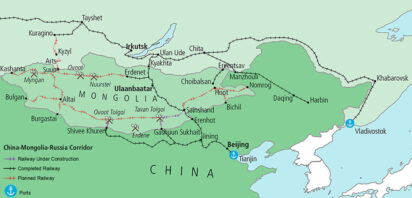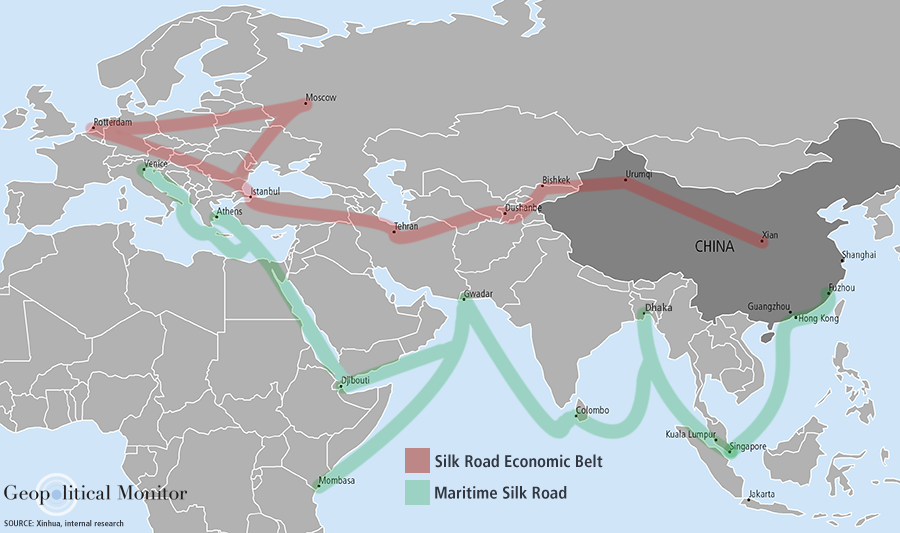
The Belt and Road initiative (formerly One Belt One Road) is one of President Xi Jinping’s foreign policy legacy projects. The plan seeks to link the Chinese economy to Eurasia and Europe via various transport corridors, tracing the historical route of the Silk Road. This overland route will be complimented by a maritime network that spans from Shanghai to Athens via the Indian Ocean.
Here’s a brief introduction to the project, including its major trade corridors:
- Originally announced in 2013 by Xi Jinping, the project was formally launched in 2014 with a $40 billion government investment in the Silk Road Fund.
- Fast-forward to 2019 and the Belt and Road Initiative (BRI) has become an all-encompassing label for state-directed infrastructure projects in and around China. Chinese officials will often brand a local or regional project as Belt and Road in order to attract more central government attention and/or funding, even when these projects do not apply to any of the major trade corridors.
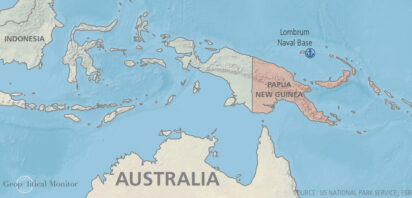
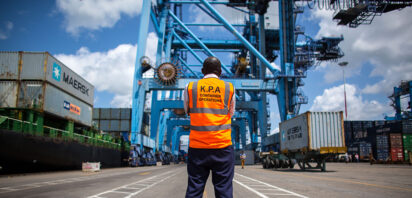
- The BRI seeks to remedy underinvestment in infrastructure in Asia and beyond by building ports, roads, rails, pipelines, airports, and cyber infrastructure. In 2018 total investment in BRI-participating economies reached a cumulative total of $480 bill.
- Belt and Road involves a ‘full-court press’ by Chinese state institutions that goes far beyond the Silk Road Fund; for example, state-owned banks extending concessionary loans for BRI-related projects or the AIIB’s (as of yet minor) support of Belt and Road.
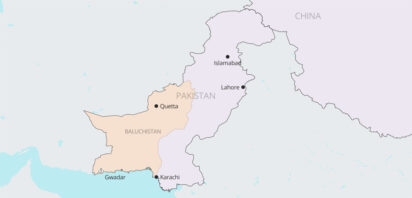
- Many Belt and Road remain in the planning stage; it’s often easier to announce and agree upon a 5,000 km railway spanning seven states than it is to actually build one. A lot of territory traversed by BRI projects is underdeveloped and there are instances where security issues might thwart construction projects, particularly in Central Asia and Pakistan. Geopolitical rivalries also loom large at times, pitting India against China and to a lesser degree Russia against China over the latter’s growing economic influence in Central Asia.
The Belt and Road Initiative envisions six major corridors linking the Chinese economy with customers in Asia and Europe: