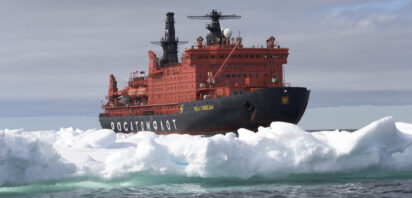
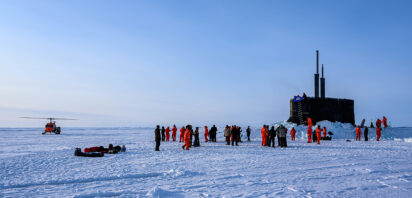
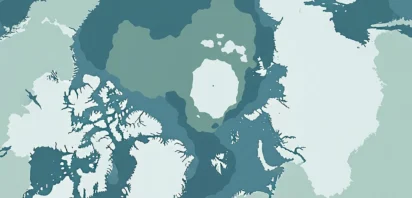
The steady retreat of Arctic ice over the past decade is no less than a geopolitical upheaval in the making. Never before did the intricacies of the border separating the eight Arctic states really matter, because the estimated 90 billion barrels of oil at stake were rendered irretrievable by thick, glacial ice. Rising global temperatures have changed all that, and a traversable Arctic has already departed the realm of theoretical possibility to become undisputed fact. This has important geopolitical consequences for littoral states and beyond, not just in terms of unlocking the resource potential in the Arctic seabed, but also for the new avenues of international trade via the Northwest Passage.
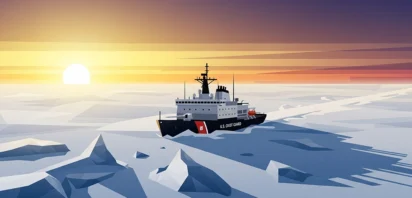
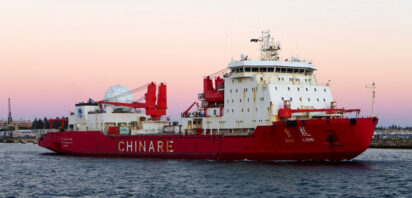
For the most part, territorial and economic conflicts between the eight Arctic states have been safely concealed under the cordial umbrella of the Arctic Council, thanks in large part to the unique challenges inherent to the region. The Arctic is an environment that is unforgiving, isolated, and incredibly vast, making it almost impossible for any one country to establish military dominance over the area. The best Arctic states can hope for is a steady build-up of icebreakers and search and rescue platforms that can be deployed in the event of an emergency – equipment that is meant to police rather than conquer. And given the huge swathes of territory involved, the more Arctic states are able to communicate, cooperate, and share assets, the more they can effectively share the cost burden of opening up the region to private investment.
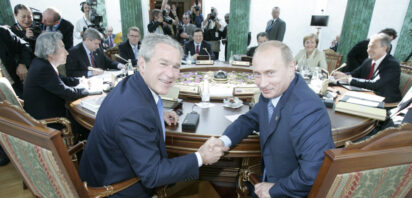
This unique spirit of cooperation was apparent in the 2010 deal between Russia and Norway on their shared border in the Barents Sea, a dispute that had been a drag on bilateral relations for four decades. Goliat, one of the first Barents projects to be developed, is thought to contain approximately 170 million barrels of oil, and it’s expected to start pumping in 2015.