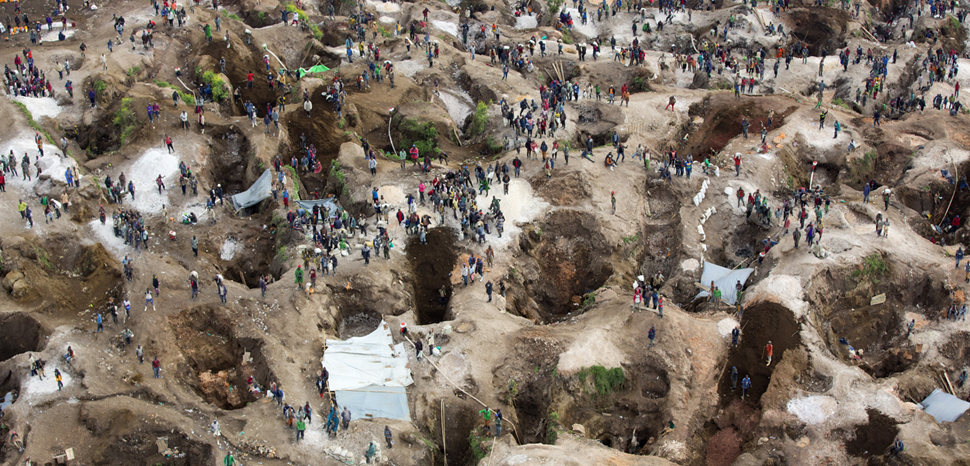
Cobalt is an essential input in a range of emerging technologies, notably lithium-ion batteries, and over 70% of the global cobalt supply is sourced from the Democratic Republic of Congo (DRC). Yet despite its near-monopoly position, the ability of the DRC to influence global prices is negligible due in large part to the multitude of small-scale operators, many of which mine, process, and sell their product outside of the purview of government regulation.
This is something that Kinshasa is now actively trying to change, and if successful, the DRC could one day enjoy the same kind of price-fixing powers that OPEC wields with oil prices.
Background
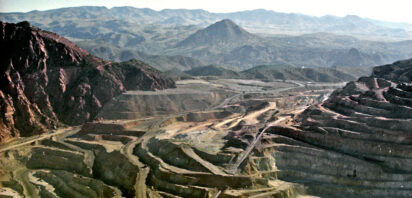
In terms of cobalt extraction, there are actually two mining sectors within the Democratic Republic of Congo: formal and informal. The formal sector is dominated by mining giants like Glencore and China Molybdenum. The informal, or ‘artisanal’ sector involves millions of individual miners and small-scale operations, which altogether account for the not-insubstantial proportion of between 15-30% of the DRC’s overall cobalt output. Put another way, the DRC’s artisanal sector alone is larger than the second- and third- largest global cobalt producers, Russia and Australia, combined.
The artisanal sector poses some unique challenges for DRC policymakers. Its vast size and lack of formalized regulations make it impossible to enforce a unified selling price across thousands of individual sellers, the vast majority of whom sell their product to Chinese traders under what one OECD adviser dubbed ‘wild west’ market conditions. There are also human rights and labor questions surrounding the sector. It’s not uncommon for children to be found working in artisanal cobalt mines, and workers run the risk of developing serious health issues stemming from metal dust exposure, insufficient sanitary facilities, and workplace accidents.
The DRC government wants to tame this ‘wild west’ of an artisanal cobalt sector. In 2019, it established the Entreprise Générale du Cobalt (EGC), a state-owned company that will act as a middleman between artisanal miners and foreign buyers. The EGC will buy up, process, and sell cobalt from artisanal miners. In doing so, Kinshasa hopes to kill two birds with one stone: protect vulnerable workers operating in the artisanal sector and establish price control over a strategic commodity to increase state revenues.