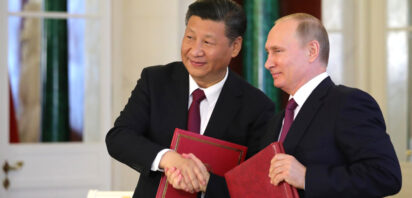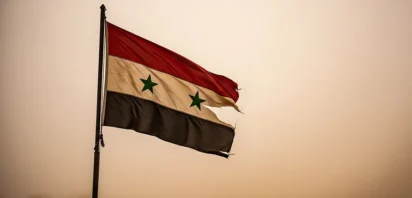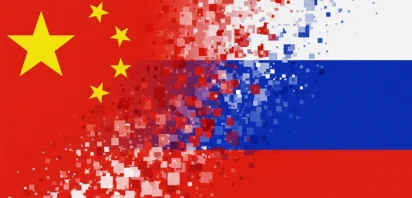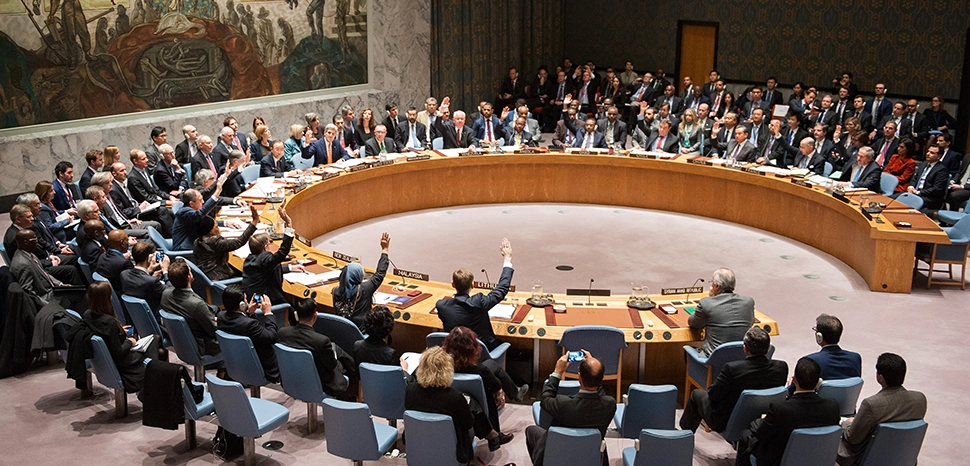
Russia and China’s dual veto on a UN resolution condemning recent violence in Syria shocked and appalled audiences throughout the Western world. Yet the logic underpinning this veto could be more nuanced than we think.
Analysis
There are several cookie-cutter explanations that can be laid over the Sino-Russian UN veto. The simplest one is that these two authoritarian governments fear the power of democracy running amok within their own borders, and thus are unwilling to contribute to any precedent that violates state sovereignty in the name of universal human rights. This explanation has mass appeal because of the fact that it’s been around since the days of the Cold War; people have had a lot of time to get used to it.
Other rationales adorn the language of geopolitics. There are things that Russia simply cannot stand to lose: its crucial ally in the Middle East, its naval base at Tartus (actually a naval resupply facility), or yet another important market for Russian arms ($1.5 billion in the past decade, Russia’s 7th largest customer). Or maybe it’s that China and Russia are unwilling to allow the map of the Middle East to be redrawn in a way that’s favorable to Western interests, nor are they willing to allow Iran to become isolated ahead of a supposed Israel-US strike at some point in the future.