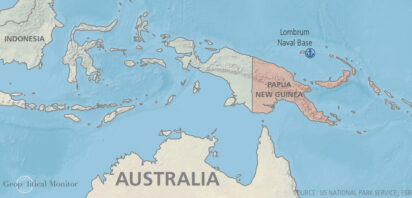
In late April, China signed a security deal with the Solomon Islands aimed at consolidating some degree of direct influence over the country’s domestic policing apparatus – an objective that became imperative following a string of anti-Chinese riots last year. Beijing followed up this deal with another bilateral pact with Samoa meant to foster greater “economic and technical cooperation.”
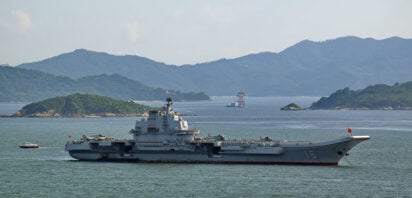
The two developments are reflective of a wider strategy on the part of the Chinese government to nurture influence over the Western Pacific, an effort that has drawn no shortage of concern from officials in Washington and Canberra. In concrete terms this has taken the form of a region-wide agreement between China and 10 Pacific states. The tentative deal, which leaked ahead of a key May 30 summit, aimed at expanding cooperation across a wide variety of fields, from the relatively innocuous fields of trade, disaster resilience, and climate cooperation to the more contentious realm of cyber security and domestic policing.
The initiative has since fallen apart, with Pacific nations opting out during the summit over the weekend. Still, though, the episode is reflective of a new geopolitical dynamic that is coalescing in the Western Pacific, and this won’t be the last time that Beijing launches a diplomatic foray into what was once considered Australia’s exclusive backyard.
Analysis
Two considerations stand out in this latest rise-and-fall of China’s geopolitical sway in the Pacific. First, the trust deficit with which many Pacific states regard China is all-too-apparent in how recent events unfolded. If one looks at the (partial and leaked) content of the pact, one finds something more akin to an effort of standard-setting and development-as-vanguard-for-Chinese-FDI rather than a Cold War-era security or military basing agreement. Similar examples of the trade-promotion and standard-setting elements of this abortive Pacific agreement can be found up and down the Belt and Road route. And while it’s true that the cyber security and domestic policing cooperation risk gifting new levers of control to Beijing over the long term, they’re not exactly unique and can be discerned in various forms throughout Africa and Central Asia, albeit sometimes tinged with scandal.
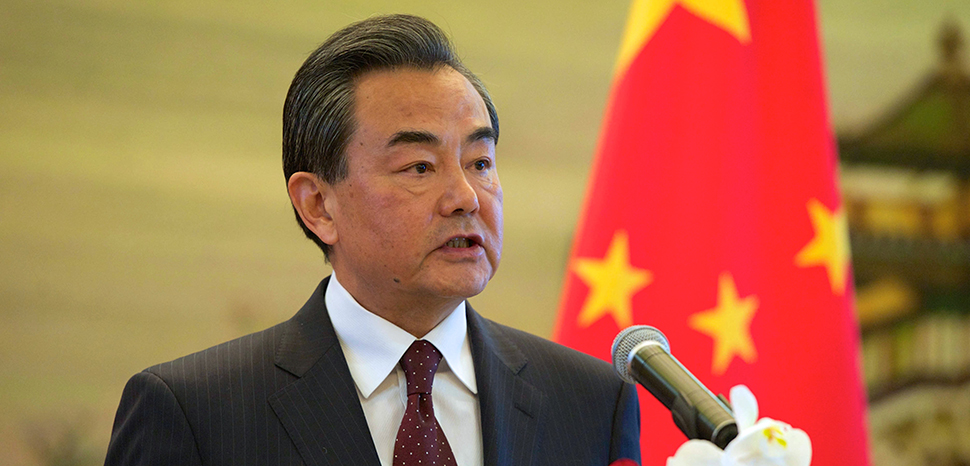
Yet even this (relatively) innocuous deal garnered major attention in the West and ultimately necessitated some major defensive maneuvers by China’s diplomats. What was supposed to be a victory lap by Foreign Minister Wang Yi through the region thus devolved into an apology tour, necessitating assurances of ‘constant consultation,’ and ‘no political strings attached,’ etc. One of Minister Wang’s responses to a question about China’s intentions in the region speaks volumes on China’s uphill struggle in expanding its geopolitical footprint in the region: “My advice for people is don’t be too anxious and don’t be too nervous.”