- The IDF is experimenting with a new military strategy intended to minimize the political, diplomatic, and economic costs of the ongoing Gaza conflict.
- Indications that the Israeli side is preparing for another extended war in Gaza and possibly the West Bank as well.
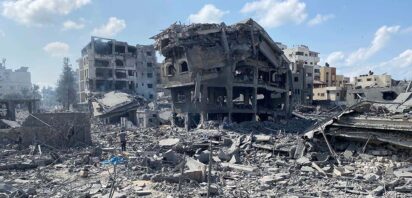
On March 18, Israel launched a new wave of airstrikes on Gaza, effectively ending a two-month ceasefire. The strikes will usher in a new phase in the conflict, with potential consequences for dometic Israeli politics, the viability of Hamas, regional geopolitics, and the long-suffering residents of Gaza.
Breakdown of the Gaza Ceasefire
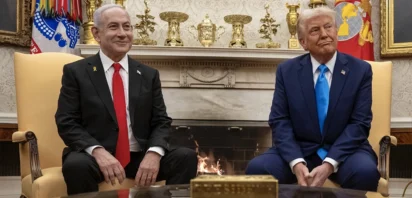
The Gaza ceasefire, originally brokered by the United States, Egypt, and Qatar, was originally intended to facilitate hostage exchanges and ratchet down tensions. However, the agreement began to fray over Hamas refusals to release additional hostages unless Israel commits to a permanent end of the conflict. For its part, Israel has maintained its original position of not commiting to an end of hostilities so long as Hamas continues to control Gaza. As a stopgap, Israel proposed extending the current ceasefire to include the release of additional hostages. But when Hamas insisted on proceeding to the second phase of the original agreement, which calls for an Israeli troop withdrawal and the release of all remaining living hostages, the negotiations broke down.