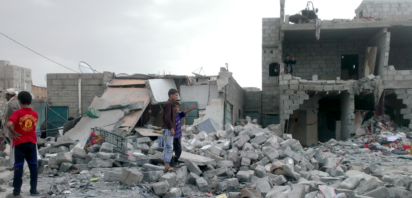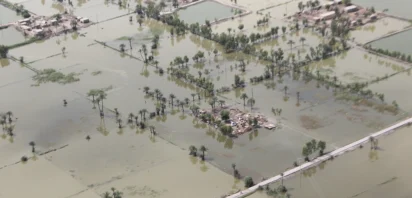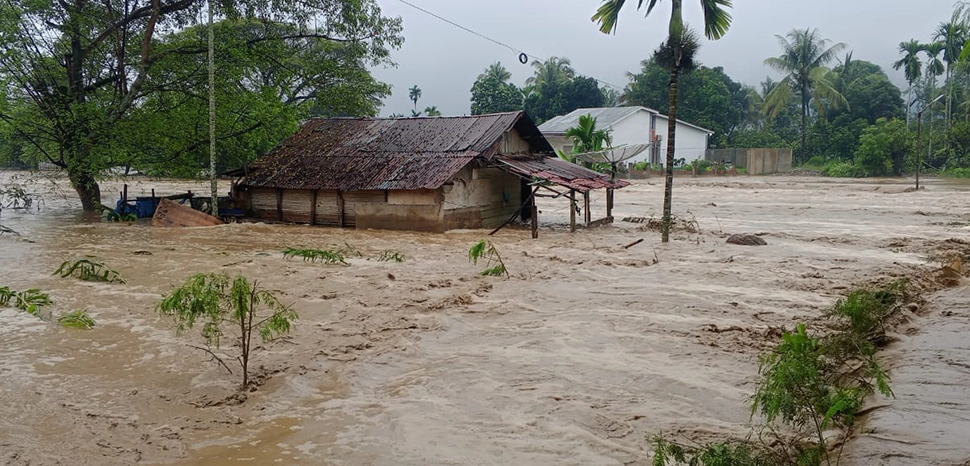
The rain that fell on Sumatra in late November was not simply weather; it was the unmasking of choices made for decades. Rivers turned into wreckage, entire villages vanished beneath slabs of mud, and the death toll climbed past nine hundred as communities stared at empty bowls and broken roads. The scale of human loss is stark: first responders and journalists described scenes of people walking over trunks of trees to reach aid centers and whole districts cut off by landslides and floodwaters.
This catastrophe should have summoned a single instinct: immediate, coordinated action to save lives. Instead, public discussion has been diverted into an argument over pride and procedure. At the very moment that medical supplies and rescue capacity might have poured in, the official posture from the capital insisted that domestic resources were sufficient and that foreign assistance was not yet required. That stance risked turning bureaucratic confidence into a moral hazard: administrative neatness matters less when children in tented camps are hungry and clinics are overwhelmed.
Across the straits, a different response gained attention. A Malaysian flight arrived in Aceh carrying medical supplies and personnel days after the worst of the storm, a gesture that became a moral mirror for neighbors to peer into. The arrival of two tons of medicine and teams of health workers was widely reported—and widely felt—by communities that had broadcast pleas for help on social media. The optics were overpowering: aid that crossed a border with speed, against an official argument that national capacity was adequate. The resonance of that scene is not vanity; it reveals something consequential about regional readiness and the soft power of action.
The UAE signaled readiness to deliver emergency assistance and urged international support for the Sumatra flood victims, but Indonesia’s foreign minister indicated that foreign aid was not yet needed despite the scale of the tragedy. Many on social media speculate that the government is reluctant to allow foreign aid into the disaster zones for fear of exposing widespread deforestation in Sumatra.
Hard facts underline the urgency. Terrain and infrastructure were shredded: roads and bridges rendered impassable, communications knocked out in many districts, and entire supply lines severed. Environmental investigators and international reporters pointed to deforestation and questionable land-use practices as multipliers of risk, with satellite imagery and on-the-ground reporting suggesting that cleared catchments and logging debris amplified the floods’ fury. In short, decades of policy choices about forests and concessions met a climate shock—and the result was predictable carnage.
The political moment that followed has been jarring. While rescue crews still worked to reach pockets of survivors, high-profile party meetings and public pledges of political support for future elections were broadcast from gilded halls. A leading party figure publicly signaled continued backing for the incumbent president into 2029, language that sat uneasily beside images of queues for food and ambulance convoys stalled by fallen trees. Politics has always been a human drama; in moments of humanitarian crisis, the moral choreography of leaders becomes a test of legitimacy.
This is not merely a domestic fault line. Southeast Asia’s framework for disaster management was built on the premise that catastrophes can be a platform for cooperation: legally binding ASEAN mechanisms, the AHA Centre’s coordinating role, and years of multinational exercises were supposed to ensure swift, complementary action across borders. Those mechanisms still matter—yet their potential is squandered if political signaling outruns operational pragmatism. Moreover, the recent mapping of regional aid trends showed growth in relief spending even as investment in prevention and resilience lagged—an imbalance that turns each emergency into a costly, repeating drama rather than a learning moment.
Practical policy is not glamorous, but it is decisive. Immediate priorities should include opening formal, rapid channels for vetted international assistance where access is obstructed; establishing humanitarian corridors for aerial drops and fuel prioritization to allow trucks to move; and fast-tracking legal audits of land-use permits where clear evidence of illegal clearing or permit violations exists. Equally important is a national commitment to shift spending from episodic relief to anticipatory resilience—reforesting catchments, enforcing concession rules, and investing in early-warning systems that respect topography and local knowledge. Reuters and international investigators have already flagged companies and permits for scrutiny; law and enforcement cannot be a postscript to disaster.
There is also a diplomatic dimension that must be seized, not resisted. Acceptance of neighborly aid in a crisis is not a question of pride; it is a manifestation of regional solidarity that strengthens ASEAN’s claim to be a community capable of mutual rescue. When borders mean lifelines, protocol needs to bend toward people. The AADMER framework and AHA Centre capacity exist precisely to operationalize this principle; activation of those instruments should be routine rather than exceptional.
Above all, the calculus of response must be humane. Political calendars and coalition maneuvers cannot outrun the ethical duty to protect life. Credibility is earned in tents and temporary hospitals, not podiums. For the families in flood-scarred villages, the difference between a swift international medical flight and a delayed domestic convoy is the difference between survival and grief. That is the metric by which competence—and compassion—will be judged. The moment calls for choices: whether to defend an image of self-reliance, or to embrace a practical humility that lets neighbors’ hands reach across the water to save lives. The latter is the definition of sensible statecraft; the former, in the face of human suffering, will be remembered as something else.
The views expressed in this article belong to the author(s) alone and do not necessarily reflect those of Geopoliticalmonitor.com.