In the late 1980s, Saddam Hussein, bogged down in a stalemated war with Iran, changed tactics. He launched ballistic missiles at Tehran and other cities in what became known as the “War of the Cities,” hoping to bomb Iran into negotiation. When that failed, he threatened to arm his Scuds with chemical warheads. His goal wasn’t victory. It was leverage.
Vladimir Putin is now running the same playbook only with deadlier weapons and darker consequences.
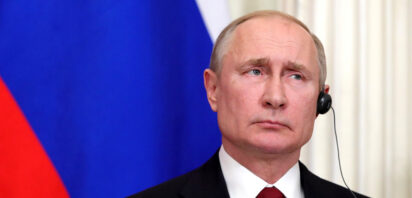
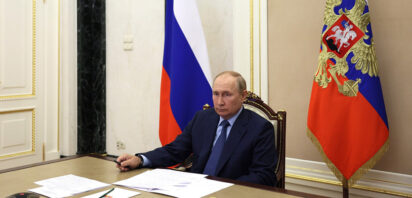
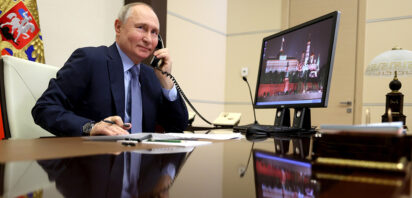
Recently, Putin said he hopes there is “no need” to use nuclear weapons in Ukraine, but insisted that Russia has the strength and means to bring the war “to a logical conclusion.” That wasn’t reassurance. It was a veiled threat. Weapons of mass destruction are now bargaining chips for ending the Ukraine war.
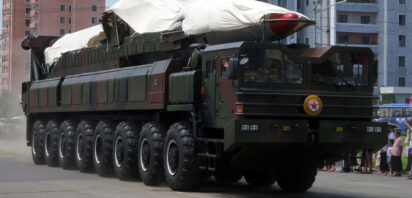
This escalation didn’t come out of nowhere. It followed the West’s failure to respond forcefully to months of Russian missile terror, including MIRVs: multiple independently targetable reentry vehicles that can overwhelm even the most advanced defenses. Putin tested the boundaries. Finding none, he escalated.
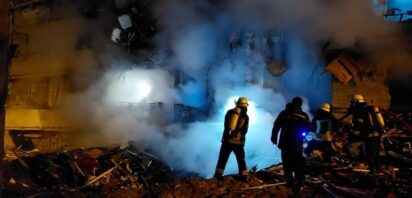
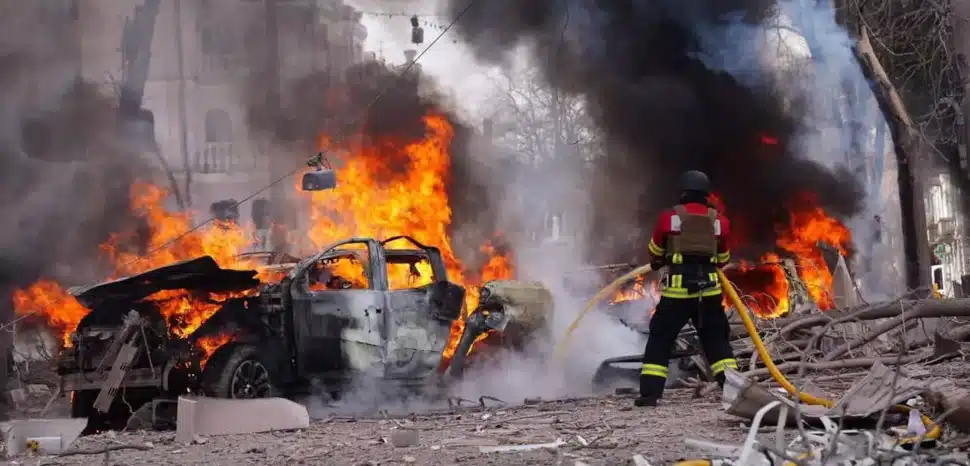
On Palm Sunday, two Russian Iskander missiles reportedly armed with cluster munitions obliterated downtown Sumy, killing 34 civilians, including two children, and injuring over 100. One missile struck a trolleybus full of passengers. The other exploded outside a theater where children had gathered.
This wasn’t a military operation. It was a signal.
And yet, Donald Trump dismissed it as “a mistake.”
Missiles don’t mistakenly hit city centers at 10:20 a.m. on a major religious holiday. This was deliberate. It was designed to terrorize, to sap morale, and to pressure Ukraine’s government while reminding the West who controls escalation.
Russia’s strategy isn’t conquest. It’s exhaustion. Putin wants Ukraine and its allies demoralized and fractured ready to accept a settlement that could include regime change in Kyiv.
When Ukrainian President Volodymyr Zelenskyy accepted a US-brokered 30-day ceasefire, Putin responded with escalation. In weeks, Russia launched 70 ballistic missiles and over 2,000 drones most aimed at homes, power stations, and playgrounds.
In Kryvyi Rih, a strike killed nine children and nine adults at a playground. In Kharkiv, a 9M727 supersonic missile equipped with cluster munitions shredded a residential block on Good Friday. On Easter weekend, Russia struck Lviv, Dnipro, and Kyiv again hitting bakeries, hotels, and apartment buildings as curfews lifted.
This is not warfare. It’s state-sponsored terrorism.
Late last month, Russia unleashed its deadliest assault on Kyiv in nearly a year, killing at least 12 and injuring 90. The next day, Trump posted a rare rebuke of Putin on Truth Social: “Very bad timing. Vladimir, STOP!”
What exactly is “good timing” for a ballistic missile strike on a capital city?
This statement wasn’t leadership. It was theater. Angry words alone have done nothing to change Russia’s behavior. In fact, Putin’s attacks continue because rhetorical scolding without real consequences signals weakness, not deterrence.
Just days before the Sumy massacre, Trump’s envoy Steve Witkoff met with Putin for four hours of “constructive dialogue.” Ukrainians, meanwhile, were begging for more air defenses. Zelenskyy requested 10 additional Patriot systems. But even those won’t stop what’s coming next.
Russia’s MIRVs split into multiple warheads mid-air. Each warhead requires a separate $4 million interceptor. No air defense system can keep up. Ballistic terror has outpaced ballistic defense.
That’s why French President Emmanuel Macron was right: “A ceasefire must be imposed on Russia.”
Not proposed. Imposed.
Putin is using missiles the way Saddam used chemical threats not just to kill, but to control the conversation around peace. And it’s working. Because the West is allowing it.
Iran is watching closely. Tehran understands that Russia’s missile terror is not about battlefield advantage. It’s about negotiation through fear. If Putin can extract concessions through mass civilian targeting, so can others. The lethal combination of ballistic strikes and nuclear threats has given Moscow a seat at the negotiating table it never earned in combat.
Putin’s nuclear language wasn’t improvised. It was staged, delivered beside a portrait of Tsar Alexander III, a symbol of repression. The message: Russia is prepared to escalate further, and the West lacks the resolve to stop it.
Meanwhile, Trump’s foreign policy veers between incoherence and contradiction. One day, he calls the Sumy strike a “mistake.” The next, he blames Zelenskyy for prolonging the war by refusing to surrender Crimea. One day, he says Iran can keep low-level enrichment. The next, he demands full dismantlement. One day, he calls for peace. The next, he shakes hands with the man bombing Kyiv.
First came the ballistic missiles, then the MIRVs each escalation met with silence or handshakes. Now, with no clear message of consequences, Putin has put nuclear weapons on the table. What began as terror from the skies has morphed into a negotiation strategy. Unless the West draws a firm line and backs it with action, Putin will take his missile diplomacy to the next level.
Let’s stop pretending this is about peace. It’s about leverage. Putin does not want to end the war. He wants to win the settlement on his terms with Western approval.
And so far, he’s getting it.
We’ve seen this before. With Saddam. With Tehran. And now, with Sumy. With Kyiv.
It ends with dead children and burned-out buses.
It ends with dictators emboldened, not restrained.
It ends with missile terror becoming the new normal.
Unless the U.S. and its allies act not with polite proposals, but with consequences.
Impose a ceasefire. Back it with meaningful deterrence. And stop treating terror as if it’s just diplomacy with worse optics.
Because the longer we wait, the more cities like Sumyand now Kharkiv, Lviv, and Dnipro will fall.
The views expressed in this article belong to the authors alone and do not necessarily reflect those of Geopoliticalmonitor.com.