- The impact of Red Sea crisis on global inflation appears to be understated.
- Container shipping rates are climbing toward their pandemic-level highs.
- Geopolitical risk represented by Houthis and other ‘bad actors’ in the MENA region to increase over medium-term.
Post-pandemic inflation left economic scarring throughout the Western world in the form of cost-of-living crises and mounting debt concerns. Now policymakers are eager to turn the page and return to the low-rate environment of recent history, with two examples being the Bank of Canada and the European Central Bank, both of which have recently signaled a new easing cycle by cutting rates by 25 basis points. But has the global economy actually succeeded in putting the inflation genie back in the bottle, or will geopolitical instability thwart a return to business-as-usual? This article will seek out an answer by exploring one source of near-term inflation – global shipping costs – which are spiking in the wake of the Red Sea shipping crisis.
Red Sea Shipping Crisis Reverberating in Global Economy
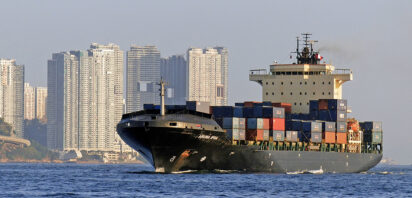
The Red Sea crisis continues to ripple throughout global supply chains. The Suez Canal, a shipping choke point that typically accounts for around 30% of global container traffic, has seen traffic drop by a remarkable 80% since the Gaza War broke out in November of 2023. Asian shippers are instead opting for the safety of rounding the Cape of Good Hope en route to Europe, extending freight times by up to 30%. Longer journeys are being reflected in higher container freight costs, which are now climbing toward pandemic-era highs. These costs will ultimately be borne by consumers, though there’s disagreement over to what extent, with estimates ranging from 0.3% to 2% in increased goods inflation. The takeaway here is that elevated shipping costs will generate upward price pressure so long as Red Sea routes remain threatened. According to Nora Szentivanyi of JP Morgan: “… even a modest rebound in goods inflation could render global core CPI inflation sticky around the 3% mark.” This is a significant number given the stated inflation target of 2% across much of the Western world, even more so given the increased political weight attributed to cost-of-living concerns by voters in major economies like France, the United States, and Canada.
It’s clear that increased shipping costs will make inflation more ‘sticky.’ Less so is just how long the Red Sea disruption will last. There has been an unstated assumption among analysts that the Houthi attacks will be short-lived; they would decrease owing to either lack of resources or reduced capacity to inflict damage following strikes by the US military and its allies. Yet recent events suggest this is not the case. In fact, taken as a whole, the ongoing success of the Houthi attacks in achieving their presumed objective of generating real economic costs for the Gaza War challenges the very idea that regional ‘bad actors’ can be neutralized through superior military force alone.
The US-led Operation Prosperity Guardian on the other hand has not achieved its objectives. Major stakeholders like India, China, and Gulf counties remain absent from the multilateral effort – all of which have an economic stake in the viability of Red Sea shipping. And most importantly, despite superior resources and firepower, the extensive damage inflicted on Houthi targets by the US military has not eliminated their capacity to menace global shipping. Attacks may be down overall over the second half of May, but civilian and military ships continue to be regularly targeted. The conflict is now taking on a troubling if familiar asymmetric dynamic, one where advanced economies spend millions if billions of dollars to counter cheap and relatively abundant weapon platforms. Just consider the fact that it costs the US Navy up to $2.1 million to shoot down one Houthi drone, which itself might be a crudely weaponized commercial model costing as low as $2,000.