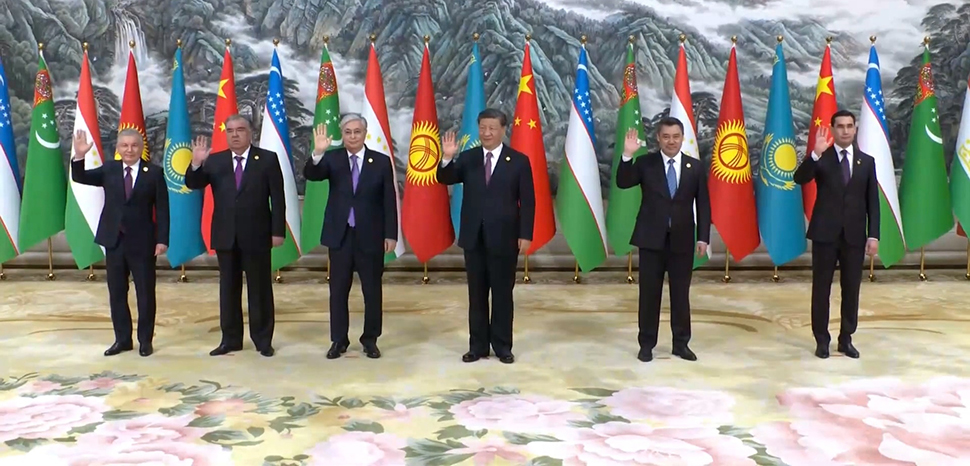
Central Asia is forging fresh alliances to navigate the nuanced relationship between regional giants Russia and China, opening new avenues for engagement with the EU and United States.
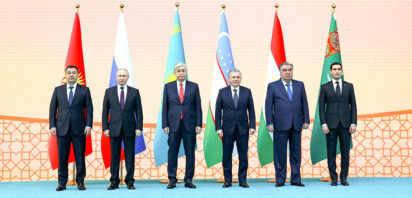
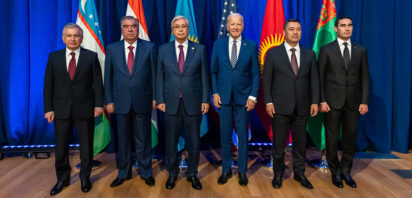
With their geopolitically significant positioning between Russia and China, the Central Asian Republics (Kazakhstan, Uzbekistan, Turkmenistan, Kyrgyzstan, and Tajikistan) frequently tread a delicate balance. China seeks their natural resources, while Russia aims to uphold dominance within the post-Soviet economic, military, and diplomatic spheres.
The historical tie to the Soviet Union naturally links the republics to Russia. Many use the Cyrillic alphabet and have integrated Russian vocabulary into their languages, facilitating wider integration with Russia. Moreover, their technology, equipment, and military systems are predominantly Russian-based, bolstering prospects for cooperation. Russian soft power surpasses that of China or the United States in the region, notably as the favored destination for study abroad or labor migration. For instance, in Kazakhstan, 78% of Kazakhs studying abroad choose Russia.
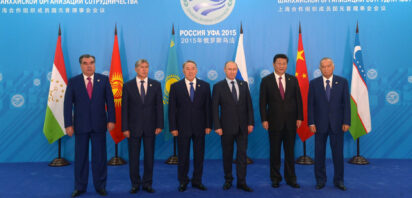
Generally, the republics harbor distrust towards China, wary of becoming subservient to Beijing. Simultaneously, they fiercely value their independence and resist returning to Russian influence. Economically, they lean towards China, while preferring Russia for security cooperation. Kazakhstan, Kyrgyzstan, Tajikistan, Turkmenistan, and Uzbekistan all participate in China’s Belt and Road Initiative (BRI), and all except Turkmenistan are part of the Shanghai Cooperation Organization (SCO). Among them, Kazakhstan, Kyrgyzstan, and Tajikistan belong to the Collective Security Organization (CSO), comprising six former Soviet states. In 2022, just before the Ukraine invasion, Kazakh President Kassym-Jomart Tokayev sought military assistance from the CSTO to quell unrest in Almaty and other cities.
Moscow’s Long Shadow
The Russian invasion of Ukraine revealed the republics’ limited trust in Russia, as they hesitated to endorse the invasion officially. However, their reliance on Russia restrained them from outright condemnation. Following Western sanctions on Russia, Kazakhstan and Kyrgyzstan, both part of the Eurasian Economic Union (EAEU), experienced disruptions in ruble payments from Russia for customs duties. Eventually, Kazakhstan and Uzbekistan affirmed Ukraine’s territorial integrity and provided humanitarian aid to the conflict zone.