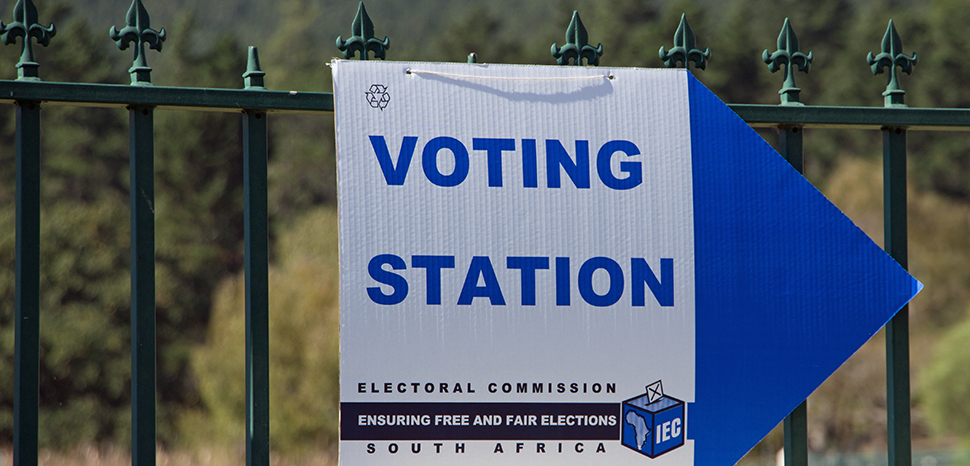
This year will undoubtedly be special, not least from a democratic standpoint. From West to East, North to South, a quarter of the global population is expected at the polls in the coming 12 months. And while the US presidential election is likely to steal the spotlight, due to the nature of one of its likely candidates, several elections in Africa have the potential to reshape the continent’s relationship with democracy. A third of Africans will go to polls in no less than 19 countries across the continent, and these combined elections will help shape the governance, economic growth, and social stability of all those involved.
African nations across the continent entered 2024 with different outlooks in terms of economic disparity, security, and access to resources. Yet one can identify common challenges felt across Africa, namely soaring inflation (Ghana for instance ended 2023 with an over 45% inflation rate), escalating foreign debt, and high levels of unemployment.
Amongst the 19 elections due to take place in 2024, several will likely have immediate repercussions beyond national borders. In West Africa, Mali and Chad could see their current junta-led governments replaced by democratically elected leaders, should the elections actually take place. More likely than not, the results of those elections will reshape how both nations address growing regional security concerns (brought about by terrorists, armed groups, and militants) in their countries, in particular, their relationship with foreign forces (the army in the case of France and private mercenaries in the case of Russia). While elections in Mali have been delayed due to “technical reasons,” the opposition in Chad has already called for a boycott of the process, which it maintains is under the control of the junta.
In Senegal, President Macky Sall recently called for peaceful elections following a year marred by violence. The previous year witnessed robust opposition protests and a complex legal battle involving Ziguinchor mayor Ousmane Sonko, who was incarcerated in July 2023. Despite authorities prohibiting a ceremony to declare his candidacy, Sonko and the majority of supporting opposition parties successfully conducted an online event on Facebook on December 31. Increasingly, it appears that the upcoming elections will determine whether Senegal’s democracy is heading down a perilous path, despite the country having long been regarded as a beacon of political stability in West Africa.