Given its strategic location and economic growth, Indonesia is the linchpin of influence in Southeast Asia. With a population of over 270 million people, its weight in global affairs cannot be understated. Historically, Indonesia has navigated geopolitical divisions by embracing the tenets of the Non-Aligned Movement and maintaining independence from major power blocs. The nation’s deep-rooted “bebas-aktif,” or “independent and active” foreign policy stance, emphasizes its commitment to neutrality in global affairs, often acting as a mediator and brokering peace rather than picking sides. Nevertheless, the strategic value of Southeast Asia, coupled with the great power competition it attracts, suggests Indonesia’s policy continuity is anything but guaranteed ahead of next year’s elections.
Military and Security Concerns: US-China Rivalry & ASEAN
Strategically located between the Pacific and Indian Oceans, Indonesia’s geopolitical relevance is heightened by its proximity to major maritime routes. These routes facilitate global trade and play a pivotal role in the defense posturing of China and the U.S. given that Indonesia’s expansive maritime borders, piracy, terrorism, and territorial disputes are perennial challenges. Domestic threats, especially separatist movements and terrorist cells, similarly demand constant vigilance.
At the multilateral level, Indonesia remains deeply invested in ASEAN, often leveraging the bloc to diffuse military escalations in the region, albeit with varying levels of success. This dual approach — strengthening defense ties with global superpowers while advocating for regional diplomacy — reflects Indonesia’s intricate position on the global stage, where it seeks security assurances without being entangled in great power rivalries.
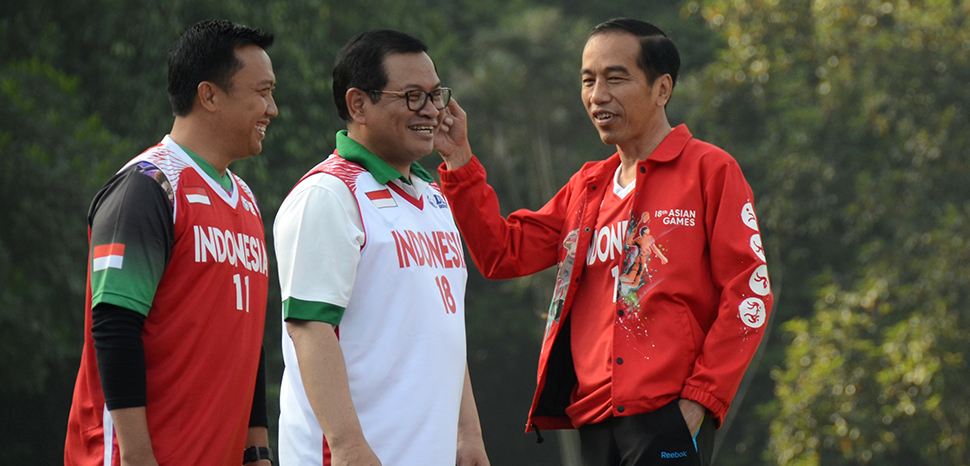
Nevertheless, ASEAN’s vision of neutrality has faced challenges over the last decade. Authoritarian shifts in countries like Myanmar, Thailand, Cambodia, and the Philippines have weakened the bloc’s efficacy and consensus-building. Next year, Indonesia will hold pivotal elections that will determine a successor to President Joko “Jokowi” Widodo, representing the first change in leadership in 10 years. Indonesia’s election will influence the broader power balance in Southeast Asia, directly affecting the US-China equilibrium in a competitive sphere of influence.