With the latest US COVID-19 stimulus package done and dusted, the Biden administration is expected to turn its attention to the white whale of US politics: a national infrastructure investment plan.
The need for infrastructure investment is dire, and the economic logic is sound. But that doesn’t mean passage will come easy. Two obvious roadblocks stand in the way: the total cost of the bill, and the extent to which it focuses on green technology.
Analysis
Assessing the infrastructure gap
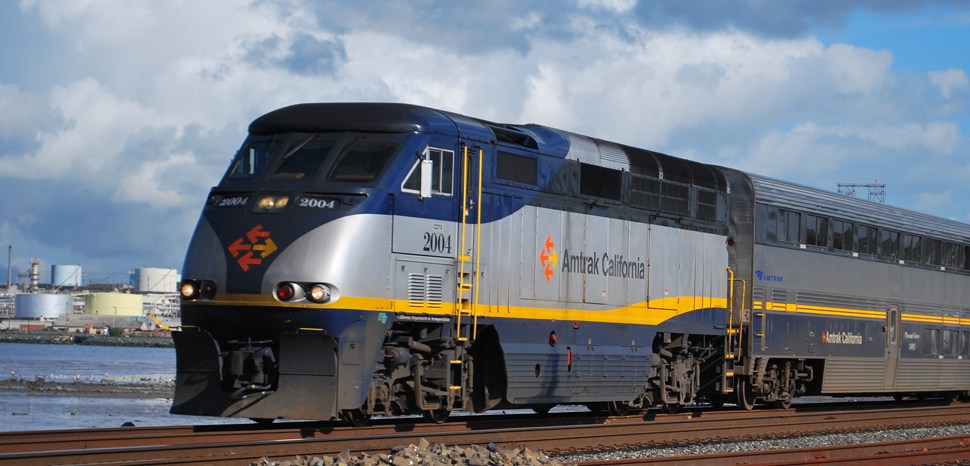
There’s no other word for it: The US infrastructure funding shortfall is massive. The American Society of Civil Engineers’ annual report card is awash with red ink, with the United States’ road, dam, aviation, school, wastewater, public park, stormwater, and hazardous waste systems all receiving ‘D’ grades or below. Just two bright spots shine through in the ASCE assessment: rail (‘B’ grade), and ports (‘B minus’).
According to the ASCE, the country needs $6 trillion in funding over the next 10 years, $2.59 trillion of which has yet to be accounted for. The funding gap is most pronounced in roads ($1.21 trillion), water ($434 billion), schools ($380 billion), and electricity grids ($197 billion).
These shortfalls are the result of withering investment over the past decade. For one, there’s the reduction in infrastructure spending as a percentage of GDP since 2010 (when it was 2.7%) through to 2017 (2.3%). Reductions have played out at the federal level (Washington normally provides around 25% of funding for infrastructure projects), and the state level as local governments scale back infrastructure investments due to either fiscal pressures or budget balancing to make way for voluntary tax cuts.
Federal-state stewardship over infrastructure also varies by the networks involved. For example, highways tend to involve near 50-50 partnerships (thanks in large part to the Highway Trust Fund), with other infrastructure like water, mass transit, and energy skewing heavily toward state governments. For example, in 2004 the federal government spent $2.6 billion on water infrastructure next to a combined $25.4 billion by state and local governments.