A combination of events in East Asia are serving to highlight the delicate geopolitical balance that the incoming Biden administration must walk with regard to US-China relations, and particularly the status of Taiwan.
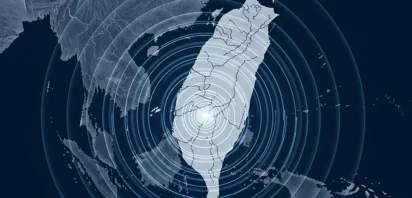
First is the daily encroachments into Taiwanese airspace by People’s Liberation Army (PLA) aircraft. 13 PLA planes entered Taiwan’s air defense zone on January 23, including eight nuclear-capable bombers. One day later, another 15 aircraft crossed into the zone, including 12 fighters. Both incidents took place near the Pratas Islands, which are around 550 km off the southwest shore of Taiwan’s main island, and are home to a small military base.
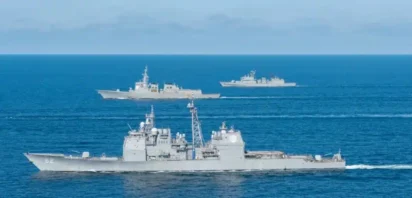
Second is the proximity of the USS Theodore Roosevelt carrier strike group, which is currently conducting ‘freedom of the seas’ operations in the South China Sea.
And so the stage is set for the Biden administration’s first test in handling the US-China relationship. It will surely be one of many.
Analysis
This is a case of signaling by the Beijing authorities, and there can be no doubt that the intended audience is Washington.
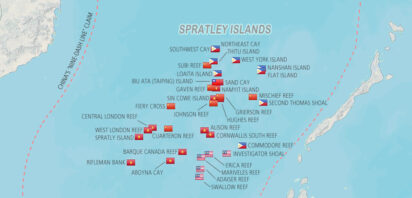
Recent encroachments represent a clear military escalation. Though violations of the air defense zone have become common over the past year, they have tended to involve only surveillance aircraft up until now. However, this is not so severe an escalation as to risk an unwanted exchange of fire and/or to force Washington’s hand. The Pratas Islands are after all far from Taiwan proper, and along with other South China Sea holdings – namely Taiping Island – they fall into a tactical grey zone where their defense is unclear due to logistical challenges on the part of the Republic of China (ROC) military, which would be operating far from home, and political uncertainties stemming from whether the US would commit itself to defending uninhabited atolls in the South China Sea, strategic and symbolic though they may be. (The United States is committed under domestic law to defend Taiwan under the 1979 Taiwan Relations Act).
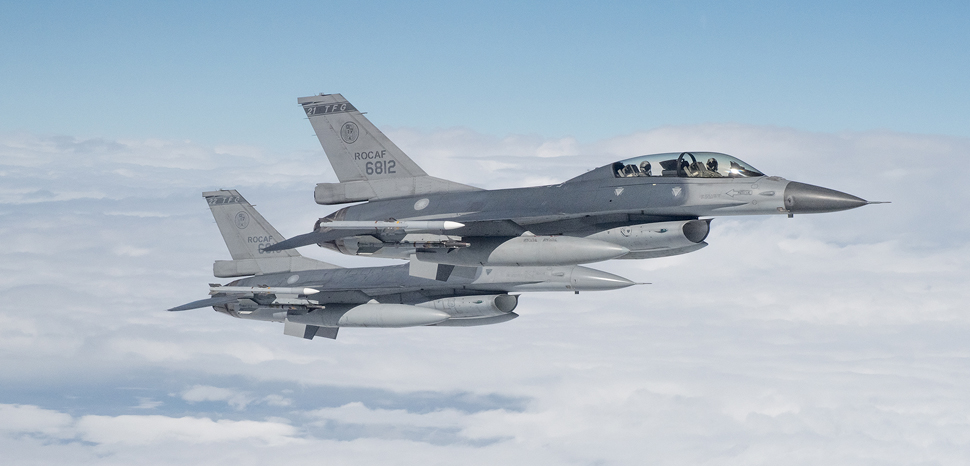
It’s also no mistake that the Biden administration’s first bilateral test concerns Taiwan. The island’s political status remains the reddest of red lines for China, and Beijing has been alarmed by the Trump administration’s willingness to do away with many of the norms that have guided US-Taiwan relations in recent decades. These include: selling new F-16s to the island (long touted as a red line by China), taking a phone call from Taiwan President Tsai Ing-wen soon after Trump took office, and dispatching cabinet-level officials to the island for official visits.
The encroachments can be interpreted as a warning for the Biden administration: roll back the diplomatic precedents of the Trump era or risk military escalation in the Taiwan Strait. It’s worth noting that while these Taiwan-related escalations have unfolded, China has simultaneously been sending high-level signals of its desire to move the bilateral relationship back toward the pre-Trump standard. In his speech at Davos, President Xi Jinping explicitly linked ‘isolationism’ (i.e., Trump-era efforts at economic decoupling) with pursuing a new Cold War.
How has the Biden administration responded so far? In official terms, it has recently released a statement urging Beijing to “cease its military, diplomatic, and economic pressure against Taiwan and instead engage in meaningful dialogue with Taiwan’s democratically elected representatives.” There have also been other indications of support for the island, including inviting the head of the US Taipei Economic and Cultural Representative Office (the de facto ambassador) to the inauguration ceremony and Biden’s public comments that the US commitment to Taiwan remains “rock solid.”