Amidst the sharp deterioration in US-China ties since Donald Trump was elected in 2016, Southeast Asian countries have found themselves in an awkward position between two major powers vying for influence. Weaker states such as Cambodia, Laos, and Myanmar have been swayed by Chinese finance, while middle-power claimants in the South China Sea, such as Vietnam, have forged a closer partnership with America.
Singapore, holding leverage as a powerful city-state situated at the southern end of the economically-vital Malacca Strait, has traditionally maintained good relations with both powers. In charting a middle path, Singapore has placed itself as an anchor of regional stability at a time of turbulence in US-China ties, with the trade war, heated rhetoric over maritime disputes, and the fall-out from COVID-19 all still playing out.
The leaders of Singapore have long emphasized stability and free trade as the basis for economic growth, both on the island territory and in the wider region. Prime Minister Lee Hsien Loong, re-elected in July for another 5-year term, is nearing retirement but has indicated he will stay on to navigate the pandemic. Lee has warned of the longer-term dangers to Singapore should the US pursue the path of ‘colliding with China.’
Global trading hub
Singapore occupies a unique position between East and West. Although a parliamentary democracy, Lee’s People’s Action Party (PAP) has ruled Singapore since 1959, winning 15 consecutive elections after periods of British and Malaysian rule. The PAP has long prioritized collective social discipline and economic growth over the freedom to express dissent, drawing comparisons to the governance model practiced by Beijing.
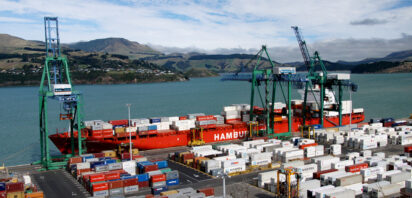
Yet at the same time, as an international shipping and trading hub in the strategic heart of the Asia-Pacific, Singapore was an early benefactor of Western-led capitalism and foreign investment, and has long served as an attractive base for multinational firms. Its GDP per capita, at US$65,000, is among the highest in the world, and Chinese tech firms such as Tencent and Alibaba are now looking to boost their presence there.