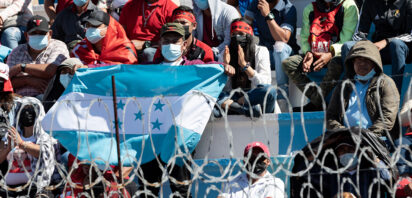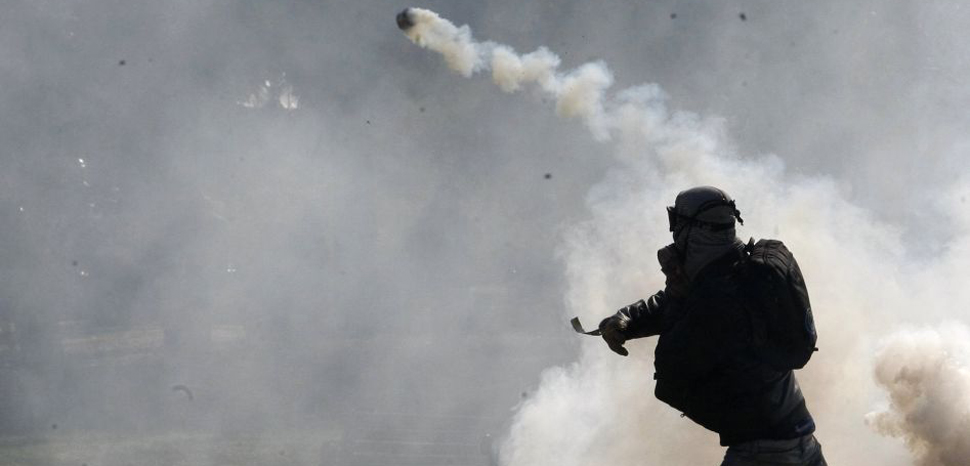
Violent economic protests over economic inequality in Chile have now resulted in 7 deaths. The unrest is the worst the country has seen since the Pinochet dictatorship collapsed in the 1990s. And if Monday’s massive mobilization in Santiago is any indication: the outlook is likely to worsen before it gets any better.
Background
Chile is the latest manifestation of a paradox that is increasingly prevalent in advanced economies around the world; another recent example is the gilets jaunes movement in France. On the surface, Chile’s economy has been firing on all cylinders for over a decade, posting GDP growth rates that leave many of its Latin American peers envious.
But the economy is highly reliant on commodity exports. Copper exports alone can account for up to 15% of Chile’s overall economic output in a given year. This leaves Chile vulnerable to global trade disruptions and price fluctuations in the commodity sector. It follows that Chile’s growth numbers have been sagging amid the US-China trade war and the ongoing slowdown in the Chinese economy – Chile’s top trading partner. In September, the central bank cut its 2019 growth forecast range to 2.25-2.75%, down from the 2.75-3.5% it was predicting earlier this year.
Analysis
Consider the OECD assessment on Chile: