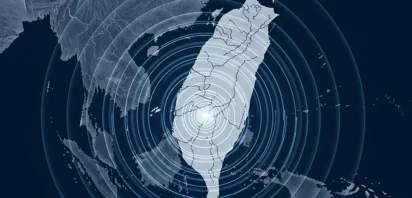
A new US arms sale worth over $2.2 billion has been approved for Taiwan – the largest package so far under President Trump. The administration has also made moves to streamline the approval process, paving the way for more sales to come.
The announcement comes amid a fragile truce in the ongoing US-China trade war.
Any material assistance or symbolic recognition of the democratic, self-governing island is incendiary for US-China relations, and this time will be no different.
Analysis
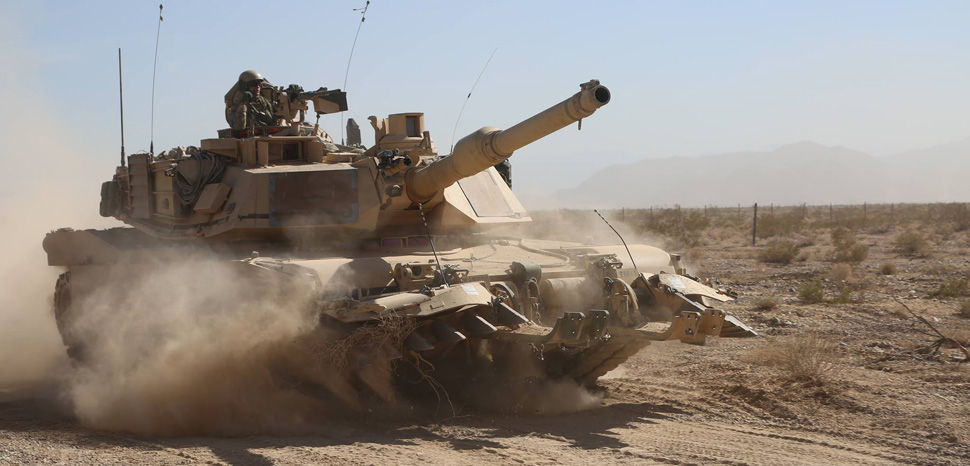
The $2.2 billion arms package includes 108 Abrams tanks and 250 Stinger portable anti-aircraft missiles, and it could be further supplemented with mounted machine guns, ammunition, heavy equipment transporters, and Hercules armored vehicles for retrieving disabled tanks.
The Chinese government has issued an expected condemnation, declaring that the sale amounts to “crude interference in China’s internal affairs, harming China’s sovereignty and security interests.”
The most immediate concern stemming from this new arms sale will be whether or not it prolongs the US-China trade war. A recent ‘truce’ has descended over the dispute (insofar that no new tariffs are being announced), and the truce is likely to hold despite this arms sale for several reasons: 1) though it views it as a core issue, China has generally firewalled US arm sales to Taiwan from the wider bilateral relationship; 2) Beijing needs economic relief from the trade war, so now is not the time to break from past precedent; 3) the arms package on offer is hardly a game-changer in terms of new capabilities on the Taiwanese side; and 4) Beijing has been making enough political inroads in Taiwan so as to not feel that its unification goal is imperiled (see pro-China candidate Han Kuo-yu’s election as mayor of Kaohsiung and the flagging popularity of nativist President Tsai Ying-wen).