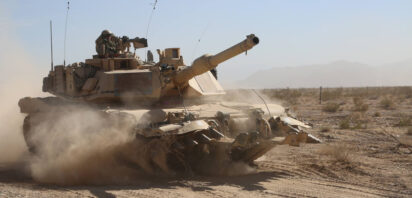
After eight years of stonewalling by the Obama administration, the US government is once again looking to supply its officially unofficial ally with much-needed military equipment.
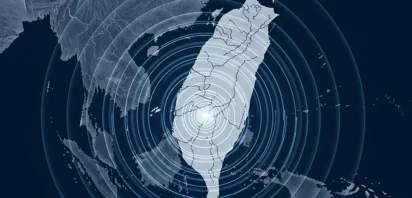
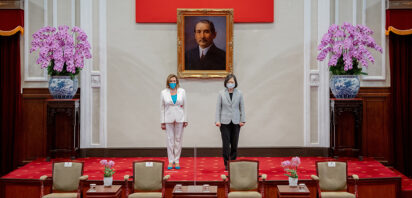
The United States is legally obligated to defend Taiwan under the 1979 Taiwan Relations Act, yet it extends no official recognition to the government.
It has been longstanding US policy to offer Taiwan advanced weaponry in order to give it a qualitative advantage over China, which views the island as its own territory and has threatened to take it by force should Taipei ever formally declare independence. The policy has come under increasing strain over the past decade as the gap between US and Chinese military technology narrowed and China’s economic clout expanded. Past arms packages have gone over like gasoline onto the fire of US-China rivalry, and the pace of new arms sales has slowed considerably since the days of the George W Bush presidency.
Now enter Donald Trump, a president who appears to be building his legacy on a new Cold War with China. Will Trump give Taiwan the new advanced platforms it has long been asking for?
Impact
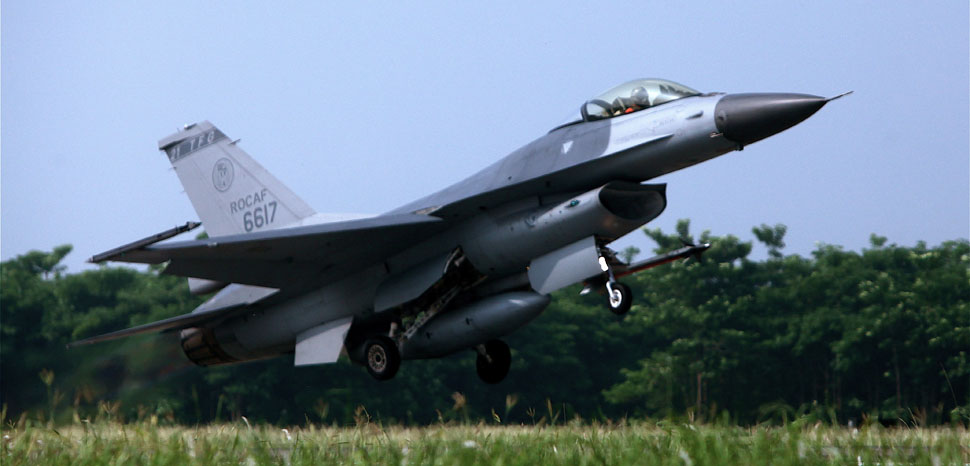
The frequency of US arm sales to Taiwan has been in decline since the early 1990s, a period that saw George HW Bush approve the sale of 150 F-16s in 1992 and Bill Clinton approve Patriot missiles in 1993. During the Obama administration, weapons sales nearly ground to the halt, with the notable exception of a $6.4 billion package of Black Hawk helicopters. Former president Obama’s second package was deferred to and then approved by the present administration, and top figures in the Trump administration are believed to be considering new arms packages in the near future.