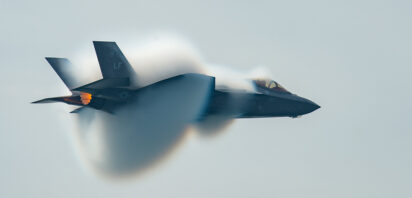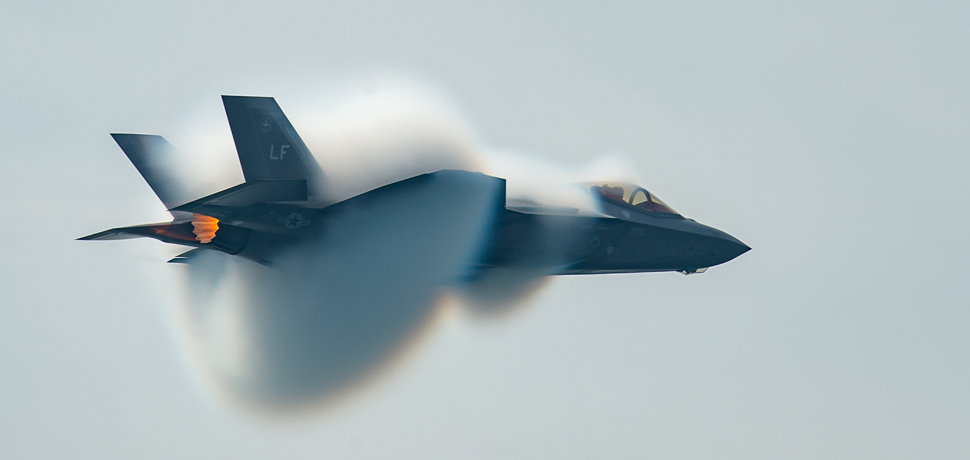
In the words of Acting Secretary of Defense Patrick Shanahan, Lockheed Martin’s F-35 fighter jet program is “f—- up.” His blunt appraisal might be in reference to a chronic lack of spare parks which is grounding the fleet throughout the United States, and not anything to do with the platform’s performance or operability, as Shanahan maintains. It could be an oblique attempt to promote the interests of his former employer Boeing, as Pentagon investigators are currently trying to assess in their ongoing ethics investigation. Or it could actually be an accurate assessment of the expensive and oft-controversial program.
Events in Germany and Japan over the first part of 2019 lend themselves to the latter interpretation.
Impact
Germany opts out of F-35 purchase
The German government has decided not to buy the F-35 stealth fighter according to a European spokesperson for Lockheed Martin.
The decision is highly consequential for the NATO alliance. For one, it raises questions of future interoperability between NATO militaries. It also casts doubts on German pledges to increase its military spending and modernize its air force. In the short-term, Berlin is apparently exploring fourth-generation options like the Boeing-produced F-18 or the Airbus Eurofighter. These platforms would be far more conspicuous on radar compared to the stealth F-35s of other NATO air forces.
The decision to pull-out also hurts other F-35 customers. The more orders placed for the jet, the greater economies of scale and the lower per-unit cost. This is an important consideration given the fact that one of the most common criticisms directed toward the platform is its price tag. The F-35 stands as the world’s most expensive weapon program, and it’s only getting more expensive with every passing year.