Though the Nord Stream 2 pipeline is a familiar term in European capitals, many Americans are hearing about it for the first time thanks to this week’s NATO summit. Throughout the event, President Trump picked at various scabs in German politics: that the Germans are overly reliant on Russian gas, that there’s an increasingly cozy relationship between Germany’s political elites and Russia’s Gazprom, that the country is a ‘captive of Russia,’ etc.
What is the Nord Stream 2 pipeline and why does it have the US president up in arms?
Background
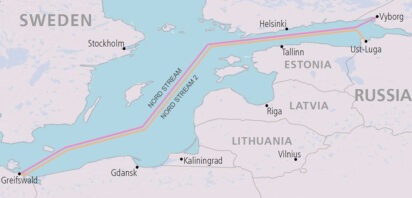
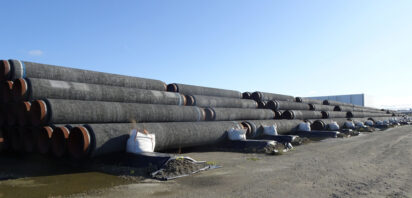
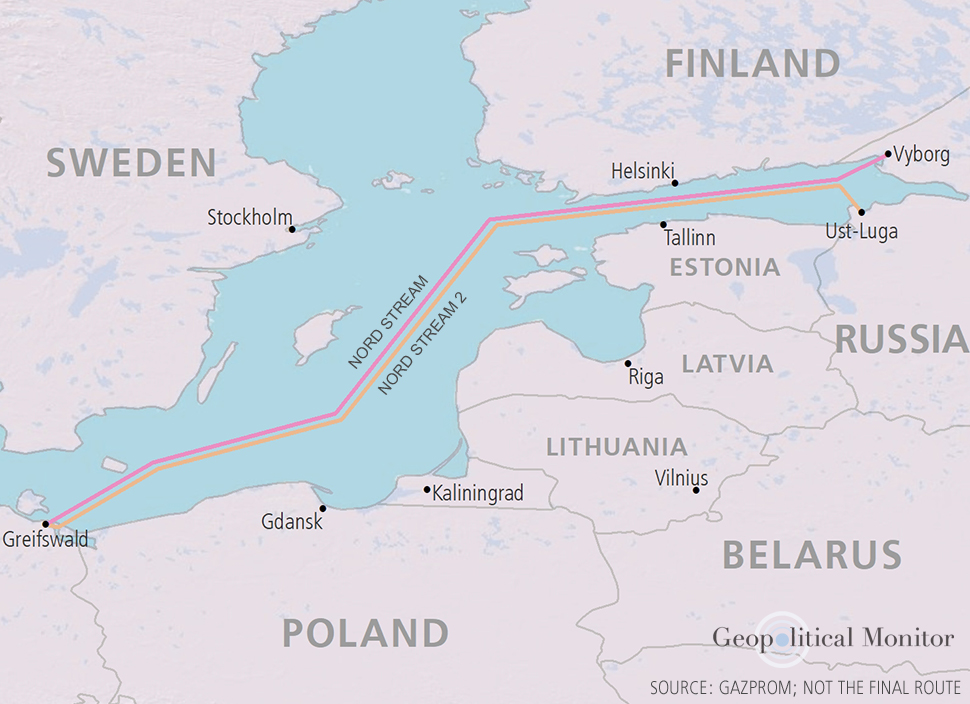
Nord Stream 2 is an expansion of the original 1,200 km-long Nord Stream natural gas pipeline that runs through the Baltic Sea to Germany. The pipeline bypasses traditional transit states such as Poland and Ukraine, providing a direct route for Russian energy exports to Europe. Unlike the now-defunct South Stream that would have traversed the Black Sea before branching toward Bulgaria and Italy, Nord Stream 2 has survived the EU-Russia freeze of the past decade and is currently in the early stages of construction.
Nord Stream 2 is expected to be completed in 2019. However, the project has been challenged in court by a German environmentalist group trying to halt its construction. The pipeline’s major Western investors include Uniper and Wintershall, Shell, OMV, and Engie. At present, 4 of the 9.5 billion euro total cost has been sunk into the venture, meaning that any cancellation of the project would come with a significant cost.