Burkina Faso, one of the poorest countries in the world, is going through a period of deep political uncertainty and there are growing concerns about the future of its mining industry, which is by far the country’s biggest employer. Yet many of the mining companies that have tried to work well with communities and adopt the best regulatory practices may ultimately welcome tougher regulations, which intend to level the playing field on securing all-important permits and contracts.
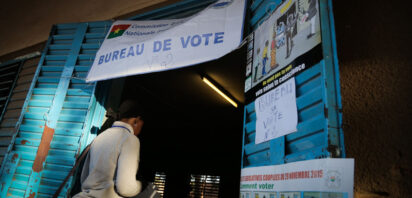
After violent protests last fall, which led to the fall of President Blaise Compaoré, power shifted to an interim president, Michel Kafando. The new government has decided to review all mining contracts signed by the previous government, announcing that the minister of mines would propose an entirely new mining code, adding risk for the many mining companies that have been investing heavily in the country over the past few years.
The government has ordered Pan African Minerals, a subsidiary of Timis Mining, to suspend production at the mine of Tambao, which holds one of the largest deposits of manganese in the world. The mine’s construction, which cost about a billion dollars, was approved in 2014. Even though the project’s license does not appear to have been revoked, the company says it is seriously concerned.
In recent years, Burkina Faso has encouraged the development of manganese mining as a national priority and a way to diversify the economy, releasing it from its over-reliance on gold and cotton.
The Tambao mine contains more than 100 million tons of manganese and Pan African Minerals had entered into agreements with former president Compaoré to help fund the development of a railway project to link seven West African countries. The company had signed a memorandum of agreement for the development of the total $895 USD railway project, agreeing to contribute $360 million, enough to build a 300-kilometer stretch of railway. The new rail link would facilitate trade and the transport of goods, reducing prices for consumer goods in landlocked countries such as Niger and Burkina Faso – all valid reasons to continue development of such an important project.
A prolonged halt in operations would create a serious problem for the manganese market and for Burkina Faso’s economy. But that’s not the only risk. The government’s recent actions could complicate the regulatory environment and discourage companies from developing new mining projects in the country.