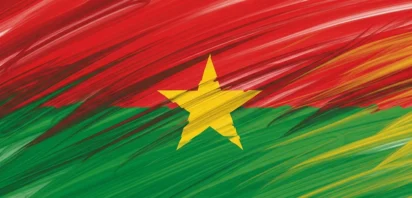
Burkina Faso is a parliamentary republic under the new constitution of 1991. The executive branch is headed by the president, who is elected by popular vote for a five-year term (a maximum of two terms allowed). The prime minister heads the government and is appointed by the president. Burkina Faso has a unicameral legislature that consists of a National Assembly with 111 seats, all of whose members are elected by popular vote for five-year terms.
The country is divided into 45 provinces, each with regional administrations.
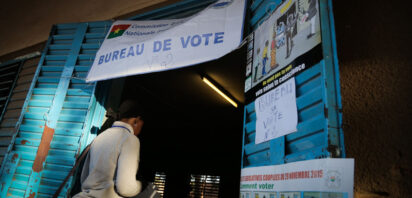
Burkina Faso has never experienced a peaceful transition of power. The country is currently going through a year of political transition with Michel Kafando as leader of a transitional government. The country is preparing for new presidential and legislative elections in November 2015. Members of the transitional government are prohibited from running in the upcoming elections. Even though these political changes are promising, corruption, especially in public procurement, is still widespread and the judiciary is weak. Members of the presidential family and the ruling party still control key economic sectors.
Economy
Burkina Faso ranks 181 out of 187 countries on the UNDP’s Human Development Index for 2014, and it is one of the world’s poorest countries, with an estimated poverty rate of 44%. It has a population of approximately 17 million and an average population growth rate of 3%. The country is landlocked and has few natural resources. It relies heavily on cotton and gold exports, which in turn depend on volatile global market prices.
Approximately 90% of the population depends on subsistence agriculture.