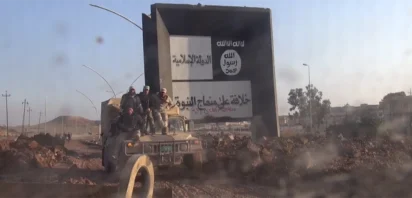
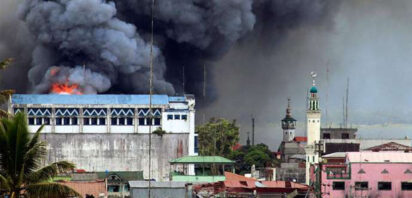
In recent weeks, conflicts in Gaza and Ukraine have diverted the world’s attention from events unfolding in Iraq, where the Islamic State of Iraq and Syria (ISIS) launched a wave of successful military offensives in early June.
ISIS continues to consolidate its hold on large swathes of the Sunni heartland. The group claimed responsibility for a July 19 suicide bombing in Baghdad, while its Syrian arm captured Syria’s largest oil field from rival Islamist militants. ISIS has also issued a decree that gives Christians in northern Iraq three options: convert, pay a special tax, or be killed. On June 29, ISIS leader al-Baghdadi was named caliph of the new Islamic State, or ISIS-controlled territory, which comprises about one-third of Iraq and sprawls across the border into Syria. ISIS has also warned women in Mosul to wear full veils, loose clothing, and cover their hands and feet or face harsh consequences. Walking in public unaccompanied by a male guardian is prohibited.
Despite the grave threat posed by ISIS, Baghdad continues to experience political deadlock. In April, parliamentary elections returned Nuri al-Maliki to power as interim prime minister owing to his leadership of the State of Law Coalition, the largest political bloc in the legislature. The 328 members of the Council of Representatives, Iraq’s central legislative body, will now go about electing the country’s prime minister, president, and parliamentary speaker (which owing to informal agreement have always been Shiite, Kurdish, and Sunni respectively).
Since his re-election, al-Maliki has been widely criticized for his failure to facilitate a governing coalition capable of countering ISIS. Al-Maliki, a Shiite, is seen as too divisive to govern with support from the Sunni minority against the Sunni ISIS. He has resisted gentle prodding and outright calls for his resignation by media, military, and political commentators, as well as leadership in the United States and Iran alike.
Despite all signs pointing to continued standoff, some commentators remain optimistic. Brett McGurk, the United States’ Deputy Assistant Secretary of State for Iraq, told the Senate Foreign Relations Committee last week, “[Iraq has] created a new parliament, and through that parliament new leaders will emerge… There are a handful of very capable leaders who may emerge as the next prime minister of Iraq.”