The Black Sea Grain Initiative, a crucial agreement for maintaining global food price stability, recently suffered a setback with Russia’s abrupt withdrawal just before the deal’s expiry. Moscow’s decision cited unresolved issues with access to the SWIFT network and imports for its agricultural sector. This decision is economically significant and holds considerable geopolitical implications beyond the warring parties.
Understanding the Black Sea Grain Initiative
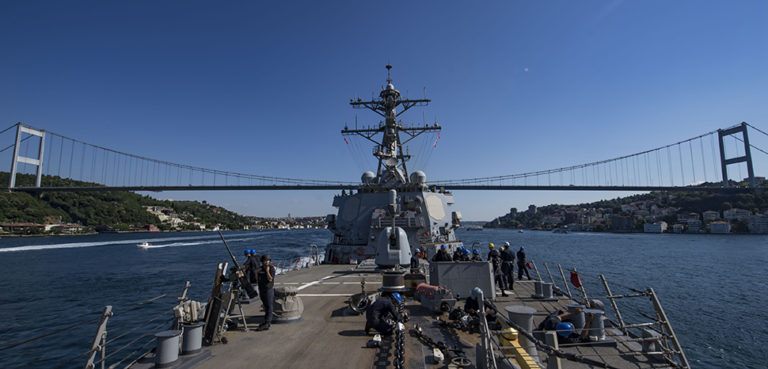
The Black Sea Grain Initiative was designed as a mitigating response to the ongoing Russia-Ukraine conflict, which threatened to trigger a worldwide food crisis due to the blockade of grain exports. In July 2022, with support and facilitation by the United Nations and Turkey, the deal opened the door to safe grain export from Ukraine’s Black Sea ports, namely Odesa, Yuzhny, and Chornomorsk, and through the Bosporus Strait. The deal was pivotal in ensuring the stable flow of grain exports, mainly wheat and corn, from two of the world’s leading agricultural producers, Russia and Ukraine.
Importantly, this deal was not merely about food; it also reflected the intricate relations of geopolitical strategy and economic necessity. The safe corridor created by the agreement was not just a pathway for grain but a symbol of delicate cooperation amid a climate of conflict. The agreement also included provisions to accommodate Russian food and fertilizer shipments, acknowledging Russia’s grievances regarding its export capabilities.
Economic Impacts
With Russia’s recent decision to withdraw from the deal, the immediate fallout is a likely surge in global food prices. The Black Sea Grain Initiative was instrumental in curbing food inflation in the wake of the Russia-Ukraine conflict. Before last year’s invasion, Russia and Ukraine held the first and fifth positions respectively among the world’s largest wheat exporters. Hence, Russia’s withdrawal from the deal will likely further unsettle the global food market, increasing grain prices in the absence of alternative sources of grain production and export volume.
Countries heavily dependent on grain imports, such as China, Spain, Turkey, and Egypt, are particularly vulnerable to these price fluctuations. As these nations grapple with the fallout, food insecurity could escalate, affecting millions. China, having received over 20% of the total exports facilitated by the deal, is likely to bear the brunt of the withdrawal.
The economic repercussions of Russia’s decision extend beyond nations and into households. The potential rise in bread prices due to the disruption in wheat supply could impact living costs globally, disproportionately affecting low-income households. In this context, Russia’s withdrawal from the Black Sea Grain Initiative is not just a diplomatic maneuver, but a decision with far-reaching economic and political consequences that will compel some governments to rethink their approach and viewpoints toward the war.
The Geopolitics behind Russia’s Decision
While the economic fallout of Russia’s decision is immediate and tangible, the geopolitical repercussions are far more subtle. Russia’s move serves as a strategic pushback against perceived punitive international measures and economic sanctions. Moreover, by withdrawing from the deal, Russia also leverages its agricultural power to exert pressure on the global grain market.
Russia’s decision also disrupts the delicate equilibrium in the Black Sea region, where the grain deal provided stability. By severing the ‘safe corridor’ for grain export, Russia disrupts the flow of grain and intensifies the geopolitical tension in the Black Sea region, escalating the maritime security risk for commercial vessels. This move further inflames a region already marred by militarization, ongoing territorial disputes, and conflicting naval interests.
The Role of the European Union
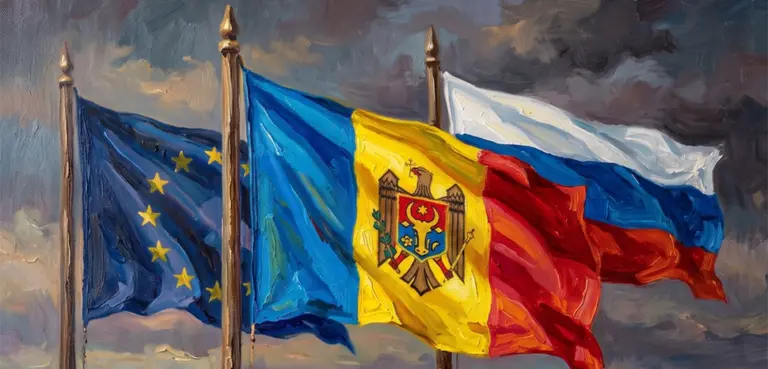
The EU finds itself in a delicate position regarding the future of the Black Sea Grain Initiative. The influx of Ukrainian grain has been met with resistance by regional farmers who perceive it as a threat to their livelihoods, despite the run-up in prices worldwide. The EU has attempted to address these grievances by allowing certain countries to ban domestic sales of Ukrainian grain while permitting its transit for export. In the wake of Russia’s withdrawal from the deal, the role of the EU in facilitating the transit of Ukrainian grain becomes even more significant. However, logistical issues and the potential overload of key ports, such as Constanta in Romania, pose formidable challenges.
Looking Ahead
Russia’s termination of the Black Sea Grain Initiative extends beyond the immediate parties involved and has implications on the global stage. It is an example of how food supply chains can become tools for geopolitical strategy and negotiation. It also underscores the importance of cooperative frameworks in ensuring the stability of global food markets.
As world leaders grapple with the fallouts and strategize their responses, the event underscores the need for robust and adaptable agreements that can endure geopolitical tensions and serve global needs. While disrupted, the Black Sea Grain Initiative remains a significant blueprint for such arrangements. The ultimate impact of Russia’s withdrawal from the deal remains to be seen. However, it serves as a stark reminder of how geopolitical decisions can ripple through the global economy, disrupting lives far removed from the theatre of conflict.