Among the sectors hardest hit by the COVID-19 pandemic, few have absorbed the blows dealt to the oil sector. The astonishing drop in demand and confidence culminated in negative oil futures, an unprecedented event for the market.
Coinciding with the pandemic-related impact on demand is the rift between Saudi Arabia and Russia, both of which continue to eye market share in Asia and possess the financial wherewithal to withstand the vagaries of the oil market. In spite of a recent rally across benchmark prices during the month of May, buoyed by optimism regarding the restart and recovery of Chinese activity, fears of a prolonged depression in oil markets have taken hold.
Beyond the damage to the OPEC+ alliance, recent events in the oil market portend grave consequences for the heavily oil-oriented economy of Nigeria. In addition to contributing 90% of Nigeria’s export earnings, the price of oil is the primary source of government revenue, which inextricably links the commodity’s price to the government’s budget.
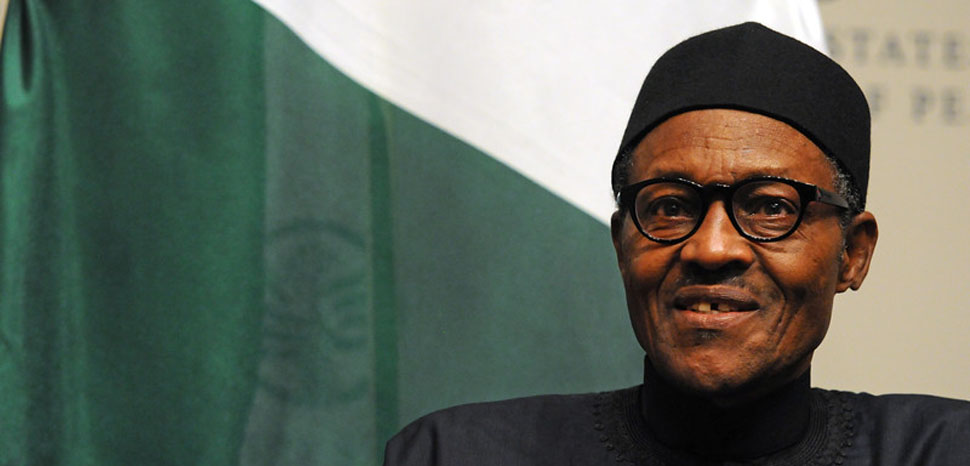
After unveiling a record-breaking government spending plan last year, Buhari’s budget has since been busted by the collapse in oil prices. The much-needed stimulus plan was contingent on oil prices hovering around $50/barrel, a far-cry from the present range of $25-$35. Thus far, cuts to the budget have amounted to just 0.6 percent of the original plan, with the Nigerian government pinning its hopes on capital markets and the issuance of bonds to finance the rest of the shortfall.
The last five years have featured tepid growth for Nigeria’s economy, with 2016 marking the country’s first contraction in 25 years. Though signs of a gradual recovery began to emerge toward the end of Buhari’s first term, the pandemic and the turmoil in oil markets have made the likelihood of a second contraction a near-certain outcome.
With oil increasingly unable to sustain government outlays, the pressure for Nigeria to develop and diversify away from the commodity that has fueled much of its historical development has reached a new peak. Over 60% of the Nigerian economy is hidden in the informal sector, complicating the government’s efforts to mobilize tax revenue. Efforts to jumpstart non-oil sectors have been underwhelming, dampening prospects for the country’s youth and exacerbating the country’s brain drain.
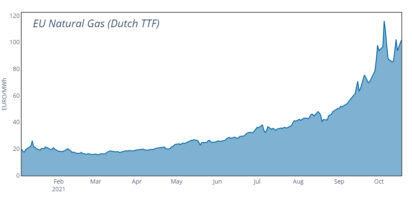
With job creation and a replacement for crude oil at the forefront of Nigeria’s economic agenda, the country’s natural gas sector has been floated as one opportunity to rekindle growth and replenish Nigeria’s foreign exchange earnings. In addition to its position as Africa’s top oil producer, Nigeria sits on the continent’s largest natural gas reserves and is the world’s 4th largest exporter of liquefied natural gas (LNG).