Concerns are mounting that Madagascar could soon gain the tragic distinction of becoming the world’s first climate-induced famine.
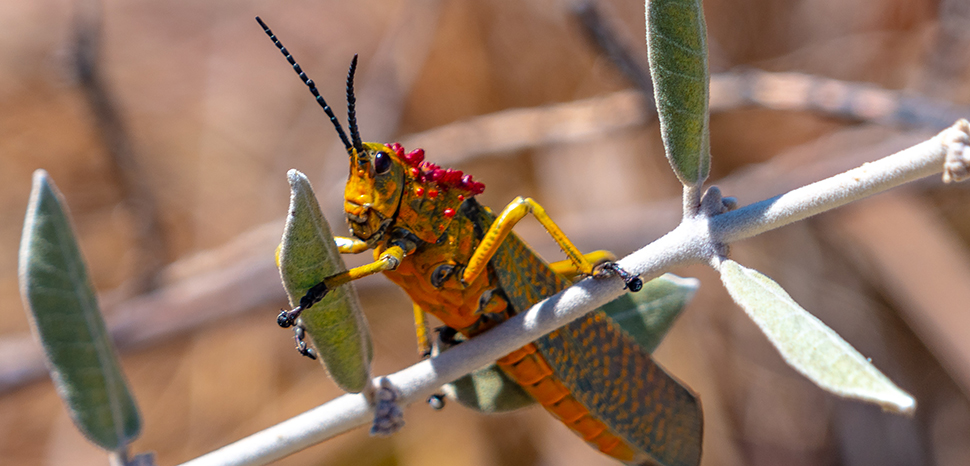
The country remains in the grips of a four-year drought that is centered on the southern part of the island. Prolonged lack of water, along with creeping aridification and sandstorms, have left farmers unable to plant their crops for three years running. Periodic locust swarms – a reoccurring blight since the early 2010s – have further compounded the misery.
Southern Madagascar is uniquely vulnerable to climate change owing to a combination of its arid climate zone and high levels of dependency on groundwater reserves. Typically, Madagascar’s weather patterns – and by extension its local agricultural practices – have been characterized by the two extremes of a dry season and a wet season. However, the extent of these two extremes has been amplifying in recent decades, with fewer interludes of mild conditions in-between. As a result, protracted periods of dryness, such as we’re currently seeing, are disrupting planting patterns and erasing household wealth over a period of years, fueling a cycle of impoverishment that is near impossible to escape from.
Much of the same can be said for southern Madagascar’s water issues. The region has long been plagued by infrastructure shortfalls and mismanagement concerning its water supply, both in terms of agriculture withdrawals and household usage. However, these longstanding issues are now being further exacerbated by shifts in the island’s weather patterns, as the hydrological windfall of the wet season – whenever it arrives – is ultimately fleeting for lack of long-term water storage and management systems, particularly in the increasingly likely event that another protracted dry spell immediately sets in afterwards. Moreover, over-drawing and pollution of groundwater reserves are compounding these climate-related impacts, creating a situation where the present crisis is not only a matter of food shortage, but potable water shortage as well, with reports of families having to either travel large distances or pay exorbitant prices to secure basic water necessities; some are even being forced to drink out of puddles of standing water.