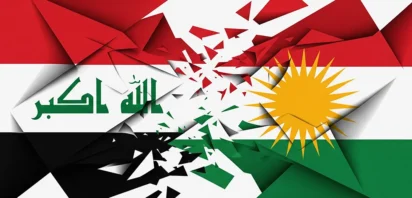
Iraq is entering its 10th month of political deadlock following parliamentary elections that failed to produce a workable majority in October 2021 – the longest span without a functioning government in the country’s post-Saddam history. And as the politicians quibble in Baghdad, violent protests are now breaking out in and around the capital’s fortified ‘Green Zone.’ Overall, there’s a sense that the recent windfall in oil revenues has delayed a long-brewing social and political reckoning; however, no functioning government in Baghdad means no comprehensive reform package, and no hope of stabilizing the country over the longer-term.
Analysis
Iraq remains a textbook example of political dysfunction. The democratic institutions inherited from the US Coalition Provisional Authority, modified and codified in the constitutional referendum of 2005, remain woefully inadequate for creating accord across the country’s sectarian cleavages. The result has been a strain of identity politics that frequently stymies efforts at coalition-building, producing a politics akin to Lebanon. Moreover, the economic dividend expected of peace and democracy never truly arrived. Quite the contrary, Iraq has struggled to modernize its oil infrastructure, speak nothing of diversifying the economy away from fossil fuels, and it has also been forced to weather various downturns in global oil prices, often bringing its hybrid oil-state sector economy to the brink of collapse.
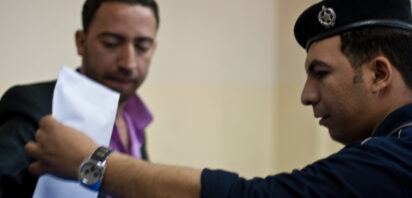
The 2021 election result did not return the kind of strong mandate that could hopefully stabilize national politics. The result has been challenged by various parties and movements from the time it was first announced, with various supporters occupying areas and setting up protest camps to push their claims. The legitimacy of the result takes another hit from the paltry 41 percent of eligible voters who bothered or took the risk to cast their vote.
After the voting finished, the largest party in Parliament was the Sadrist Movement, led by the nationalist Shiite cleric Muqtada al-Sadr, which took 73 seats with approximately 10% of the vote. But this is still a long way from establishing a majority in Iraq’s 329-seat house, and compounding the difficulty is the lack of other large partners to work with: the number two party won 37 seats (Progress Party), the number three took 33 seats (Nouri al-Maliki’s State of Law), and the number four party won 31 seats (The Kurdistan Democratic Party, essentially a regional party). Then come the dozen or so smaller parties, followed by the staggering 43 seats that belong to independent candidates. This tally would represent a coalition-making nightmare for an institutionally developed Western democracy, but once you apply it to the sectarian and historical grievance that underpins the Iraqi polity, a stable coalition becomes all but impossible.