If the Indian government has in fact pulled out of the long-stalled Iran-Pakistan-India (IPI) natural gas pipeline, an energy-hungry China may prove ready and willing to supplant New Delhi’s role in the project.
Analysis
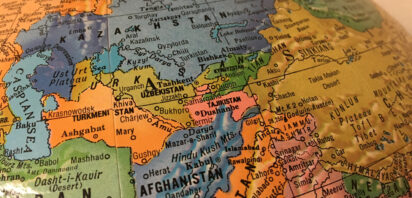
The 2,700 kilometer pipeline originally sought to transport natural gas from Iran’s South Pars field through Pakistan and into the thirsty Indian market. At every turn, the IPI pipeline has had to compete with the U.S.-championed Turkmenistan-Afghanistan-Pakistan-India (TAPI) pipeline that has hitherto been thwarted by the resilience of the Taliban insurgency in Afghanistan.
Since the IPI pipeline‘s inception, the Indian government has had to carefully balance energy considerations with the project’s many potential strategic drawbacks. In the end, it’s more likely that New Delhi will choose to nurture the nascent U.S.-Indian strategic engagement and pull out of the project. India’s decision will no doubt be made easier by Iran’s hard bargaining on gas prices, recent energy discoveries within India, and New Delhi’s reluctance to allow Pakistan any strategic levers in the wake of the 2008 Mumbai terrorist attacks.
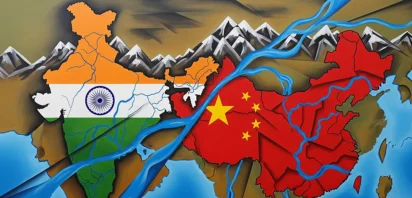
In what is becoming a re-occurring theme in the regional competition between these two BRIC countries, India’s withdrawal from the project could open a door for China. Politicians in New Delhi will be watching intently to see if Beijing swoops up yet another energy prize, and in doing so deepens the Chinese strategic encirclement of India.
The IPI pipeline poses several possible risks and rewards for the Chinese government. With India out of play, Iran has less leverage to drive a hard bargain on gas prices, and a new over-land energy link would help further China’s energy diversification strategy. However, the project faces several political and logistical difficulties that could scuttle Chinese participation.
The pipeline’s path is set to traverse some very difficult terrain in Pakistan’s Gilgit region, increasing the costs and time required to eventually connect to Xinjiang. Moreover, the massive investment required to link China would be imperiled in the event of an American attack on Iran or mass civil upheaval in Pakistan. Given the geopolitics and the harsh terrain involved, Beijing might just be feigning interest in the IPI pipeline to get a better deal in negotiations with Russia on relatively safer Siberia-China gas pipelines.