The overriding market story in the United States of late has been whether or not the Fed will stare down mounting investor bets on ahead-of-schedule rate normalization. But this a dynamic that reverberates far beyond US shores. Interest hikes in the United States – or even the mere assumption of their impending arrival – risks sapping capital flows from emerging markets, and right when many are already fiscally constrained and struggling to emerge from a disastrous year of COVID-19.
Here are a few emerging market economies that are particularly vulnerable:
Analysis
Turkey
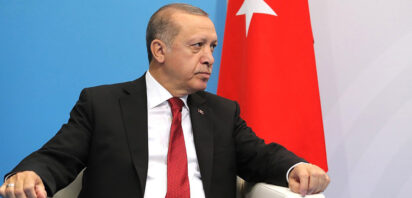
As highlighted in this week’s Global Forecast, President Recep Tayyip Erdogan fired the head of Turkey’s central bank last week, replacing him with a member of his own political party. The markets responded to the move in predictable fashion: the lira bombed, shedding as much as 14% in volatile trading on Monday, and the BIST 100 Index followed in tow, losing nearly 10%.
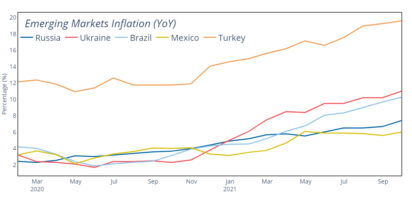
As per usual, the politicization of Turkish monetary policy boils down to the friction between keeping inflation under control and President Erdogan’s personal desire to maintain a cheap credit environment at all costs. Inflation currently stands at just over 15%, and there will continue to be new inflationary pressure so long as oil prices are ticking upward and investors continue to dump Turkish assets for fear of impending capital controls. Such fears are well-founded, as the country has just $18 billion in foreign reserves (itself borrowed from other countries and domestic banks), leaving scant room for maneuver to prop up the currency.