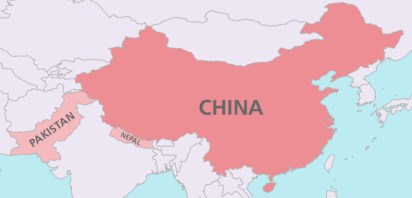
Pakistan has joined the growing list of countries seeking to extricate themselves from some of the more onerous aspects of China’s landmark Belt and Road Initiative (BRI).
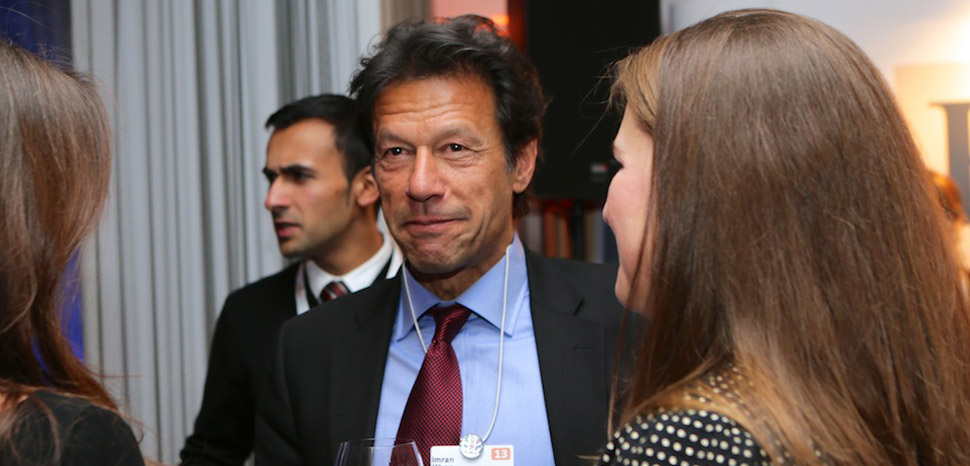
Pakistan now has a new leader in former cricket star Imran Khan. Members of Khan’s cabinet have recently suggested that Islamabad take another look at the terms of contracts and loans agreed to by the previous government. On the campaign trail, Prime Minister Khan promised to make the details of these contracts public. He has yet to do so.
The renegotiation is a potential game-changer for the BRI, as the $62 billion China-Pakistan Economic Corridor (CPEC) has long been a centerpiece of China’s rise as a global development financier. Depending on how a renegotiation process unfolds, it could also help to ease Pakistan’s deepening economic crisis.
But the question remains: How much would China be willing to bend?
Impact
- CPEC and lopsided bilateral trade. Pakistan is in the midst of an economic crisis that’s being further aggravated by CPEC inflows and the lopsided nature of Sino-Pakistan trade. The country has a massive current account deficit of around 6% of GDP, up from 1.7% in 2016. The Pakistani rupee has also been swept up in the wider rout of emerging market currencies, losing around 11% against the USD over 2018. The country’s current account deficit is a product of the yawning gap between imports and exports: over the past year, imports have increased $7.2 billion while exports increased by just $2.8 billion. The discrepancy is caused in large part by the large capital and construction material inflows of CPEC projects. These projects are not producing any offsetting economic benefits that translate into increased exports thus far (to be fair, many of the projects remain unfinished). Most of these CPEC projects financed mostly by government borrowing, not investment from Chinese entities, which parks the risk squarely on the Pakistani side of the economic equation. The result has been increasingly onerous debt financing responsibilities on the part of the Pakistani government, which now projects some $9.3 billion in external debt servicing requirements over the current fiscal year. Making these payments would almost completely exhaust the country’s scant foreign currency reserves of $9.9 billion, which have been nearly halved since June of last year.