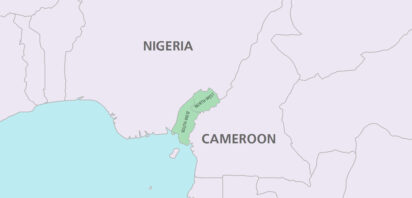
Spiking violence has been noted by NGOs and human rights groups monitoring the civil unrest present in Cameroon’s southwest and northwest regions during the run up to country’s local and municipal elections on February 9.
Separatists in particular have taken militant steps to discourage and intimidate civilians located in these regions from participating in the elections, establishing a lockdown from February 7-12. Over 40 candidates who registered at the polls have been abducted by insurgents, undermining main opposition groups such as the Cameroon Renaissance movement (MRC) and Social Democratic Front (SDF) and keeping them from mounting any kind of opposition against the current ruling party, the Cameroon People’s Democratic Movement (CPDM).
Background
For the past four years, Cameroon has experienced great political and social upheaval as a result of the rising tensions between the Anglophone populace, located primarily in the southwest and northwest regions, and the Francophone centralized government. In the aftermath of colonial rule, in which France and Britain had annexed parts of the country, English-speaking Cameroonians have perceived themselves to be institutionally and economically marginalized.
It was at the end of 2016 when the tensions simmering between the two groups finally erupted. Lawyers who opposed the increasing marginalization of English-speaking institutions in the judiciary and education system began demonstrating in protest and the government’s subsequent use of heavy-handed force propelled the matter into a military conflict.