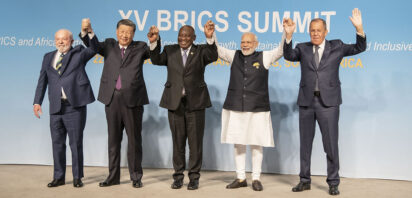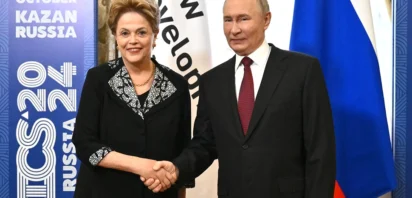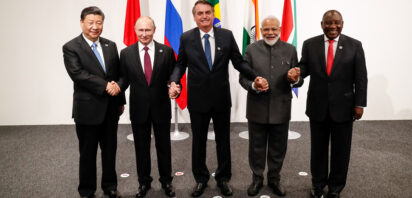
As the BRICS bloc contemplates its next wave of expansion, the geopolitical and economic circumstances of prospective members have taken center stage. This report focuses on two such aspirants: Argentina and Venezuela, both of whom have submitted applications to join the group. Both countries’ respective political realities, economic conditions, and strategic motivations offer a necessary study into the BRICS enlargement process. Moreover, their membership prospects significantly affect their national economies and the geopolitical balance in South America and beyond.
Argentina and Venezuela present similar economic issues with staunch differences in governance. Argentina, grappling with a chronic economic crisis exacerbated by rampant inflation and a daunting level of external debt, perceives BRICS membership as a potential lifeline. Its financial health, though shaky, still shows greater stability than that of Venezuela, which is emerging slowly from a deep-seated economic downturn characterized by hyperinflation, severe shortages, and declining oil output due to years of chronic underinvestment.
The two countries’ contrasting economic circumstances reflect their optimism toward BRICS membership. Argentina’s prospects appear more immediate, considering Brazil’s influence within the BRICS. The return of Brazilian President Luiz Inacio Lula da Silva, a staunch advocate for regional integration, promises to accelerate Argentina’s bid. Lula’s ambition to foster interdependency among South American nations, leveraging their rich natural resources, aligns well with Argentina’s aspirations, making its membership a strategically and politically sound choice for the BRICS in the next round of expansion.
Assessing Membership Impact
Argentina’s admission into BRICS would signal an inclusive shift for the alliance towards South America, amplifying the bloc’s geopolitical influence and diversifying its economic composition beyond Eurasia. As a significant agricultural exporter, Argentina could enhance the BRICS’s food security while benefiting from an alternative financing mechanism independent of traditional Western-dominated institutions. The country’s lithium reserves are also of interest to the BRICS, where demand for lithium in advanced manufacturing is strong among its current members.