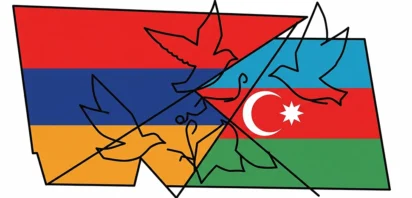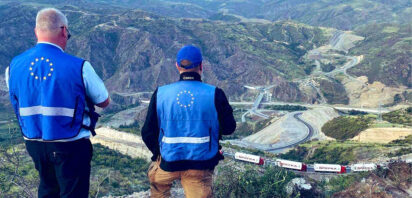
Artillery strikes have been reported along a long stretch of the Armenia-Azerbaijan border, fueling fears of another round of fighting between the two neighbors over the long-disputed Nagorno-Karabakh region. The clashes come nearly two years after a ceasefire agreement was signed in November 2020; the deal – brokered and backed by Russia – saw large tracts of territory transferred from Armenia to Azerbaijan, in addition to coastal and other areas captured by Baku during the fighting.
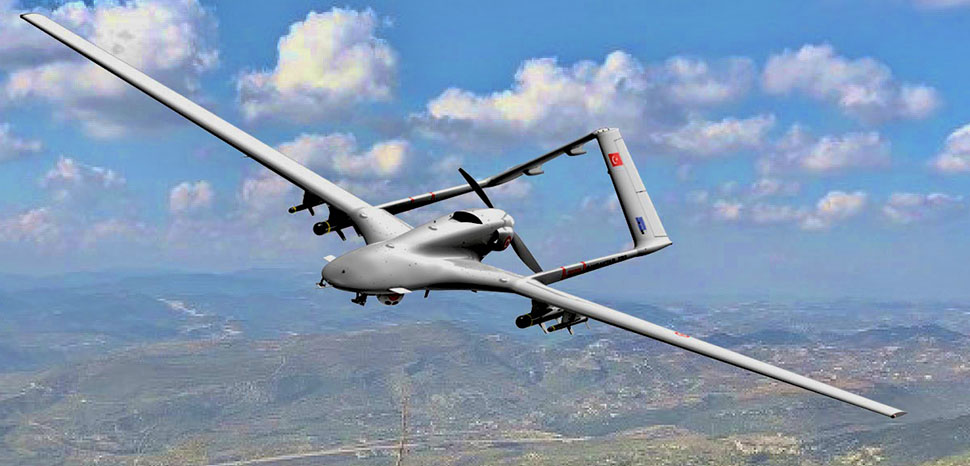
Yet despite a decisive victory on the battlefield for Azerbaijan in 2020 – facilitated in no small part by the now infamous Turkish-made Bayraktar TB2 drone – the resulting peace agreement left both sides feeling spurned. Armenia was left with a much-reduced and precarious zone of control in the former Nagorno-Karabakh Autonomous Oblast, surrounded on all sides and sustained only by a deployment of Russian peacekeepers. Azerbaijan on the other hand failed to absorb all of the territory it claims, and clauses in the peace agreement establishing a transport corridor across Armenian territory separating Azerbaijan and Nakhchivian – which would effectively provide a land link between Turkey, Azerbaijan, and the wider Caspian region – are vague and remain unlikely to be implemented in any meaningful way.
The new fighting thus has a compelling bilateral subtext in terms of the long running Nagorno-Karabakh dispute. Yet there’s also a wider geopolitical impact, one that’s compounded by the ongoing Ukraine war.
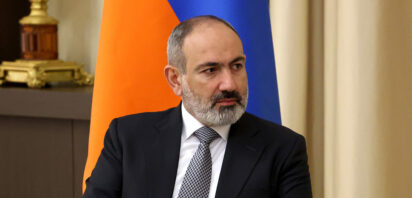
Armenia – along with Russia, Kazakhstan, Kyrgyzstan, Tajikstan, and Uzbekistan – is a member of the Collective Security Treaty Organization (CSTO), which is essentially Moscow’s response to NATO in the post-Soviet space. Typically, one might have expected the CSTO collective defense clause to have been triggered during the Armenia-Azerbaijan clashes two years ago; however, from the beginning of the fighting, Moscow made it clear that it would only intervene if Armenia proper were attacked (as opposed to the territory it controlled in and around Nagorno-Karabakh, which, despite a majority ethnic Armenian presence in many areas, is recognized by nearly all states as legally belonging to Azerbaijan). Moreover, there was also the matter of Moscow wanting to demonstrate to then-and-current Armenian Prime Minister Nikol Pashinyan the error of his ways in seeking to develop closer ties with the West at the expense of Russia-Armenia relations. Thus, when Pashinyan was sufficiently disciplined by a string of Armenian military losses, Russia stepped in and brokered a ceasefire that was, unsurprisingly, highly favorable to Azerbaijan, and backstopped the agreement with various guarantees (for example, with regard to the operating of the Nakhchivian corridor) and a large deployment of Russian peacekeepers.