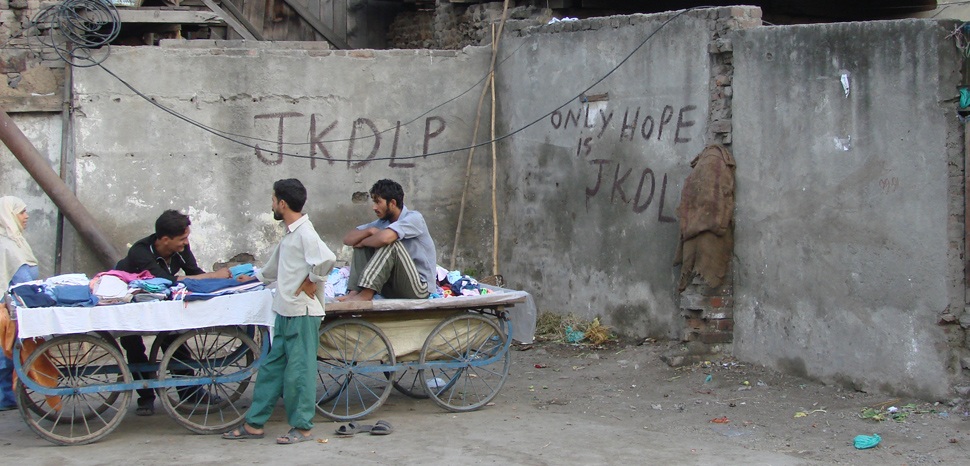
For generations, people living in the mountainous region of Kashmir have experienced an identity crisis. Are they Indian? Is their loyalty to Pakistan? Or should they aspire to the aspiration of azadi, or independence? Many battles have been fought over such questions and many lives lost.
Now at last, the situation there has grown calmer, with a fall in violence, steps towards a more inclusive society and plans for investment and a more sustainable economy. So has the cycle of proxy war between India and Pakistan finally been broken?
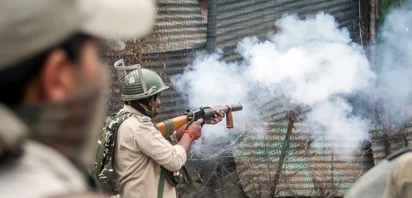
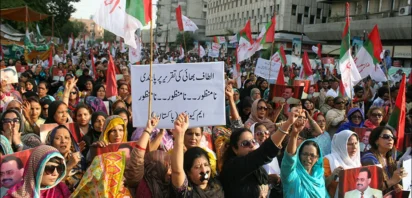
This year, there have been no headline-grabbing terrorist incidents, such as the suicide attack on the Indian army in early 2019, which killed around fifty troops. Neither has there been much in the way of anti-Indian street protests, which have often flared into violence.
Kashmir, whose proper title is Jammu and Kashmir, is India’s only Muslim-majority state. It joined the union at the time of partition in 1947 but Pakistan has long claimed the whole region as part of its territory. This has led to several wars and much bitter rhetoric from both sides.
For decades, Kashmir was run along semi-autonomous lines, under a clause in India’s constitution known as article 370. This was initially only designed to be a temporary measure. As battles were fought over its status, Kashmir became increasingly isolated and underdeveloped. At the same time, the religious and cultural divide with the other parts of India deepened.
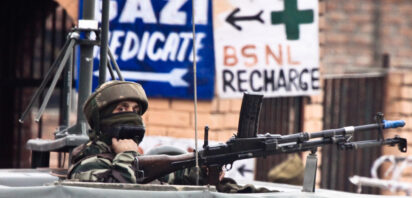
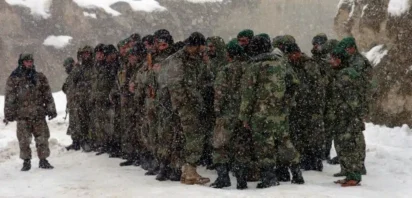
Kashmir is now a highly militarized zone, with tens of thousands of Indian soldiers overseeing most aspects of daily life, headed by India’s National Security Advisor, Ajit Doval.
The Indian government claims its extensive troop presence has led to a fall in violence. It says that from the start of this year until the end of July, only 70 minor terrorist-related incidents were reported, compared to well over a hundred in the same period last year, including the assault on the army convoy.
That attack was claimed by an armed group called Jaish-e-Mohammad (JeM) which has links to Islamic extremism. India also maintains that Pakistan supports the terrorists, a claim which Pakistan denies.
The state of Jammu and Kashmir was split into two federally-administered regions in the summer of 2019, when article 370 of the Indian constitution was revoked. Fearing that violence would flare following this change, Prime Minister Narindra Modi ordered the army to increase its security presence. This was accompanied by a rise in the number of searches, a curfew, and a ban on political gatherings.